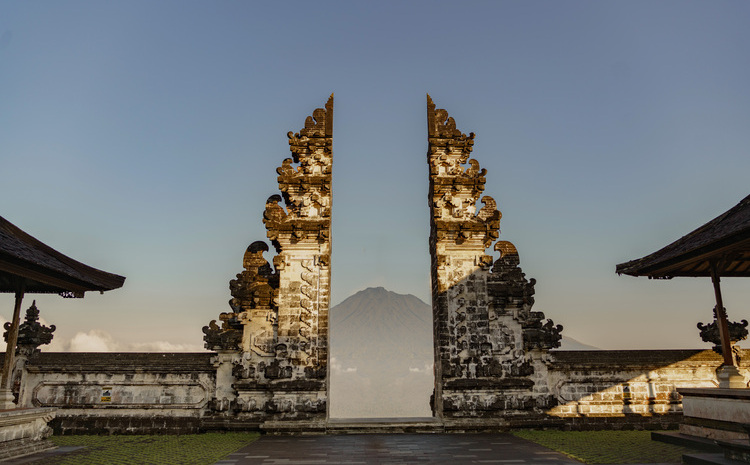
The Kayon Hotels & Resorts has opened The Kayon Gangga Resort in Ababi, Karangasem, East Bali — a small resort positioned close to the Tirta Gangga Water Palace that bundles local culture, dining and wellness into a regional guest programme. The launch adds to The Kayon group’s Bali portfolio and foregrounds experiences tied to Karangasem’s landscape and heritage.
Design and positioning: rooted in place, presented for experience
The new resort is clearly framed as a destination for culturally informed stays rather than a generic beach resort. Its proximity to Tirta Gangga allows the property to anchor programming in an immediately recognisable local landmark, and the public narrative emphasises Balinese cultural interpretation across wellness, dining and activities. That positioning suggests an intent to attract guests seeking immersive, place-based travel — a segment that values authenticity and curated cultural access over commodity-led amenity lists.
F&B and wellness as commercial pillars
F&B is split into three distinct concepts: Kepitu, which focuses on Balinese and Indonesian dishes; Wanna Gangga, a more social dining space; and Fujin Teppanyaki, a Japanese interactive offer. This combination signals a dual strategy: lean into local culinary identity while maintaining diversified menus to broaden market appeal. Equally, the Serayu Wellness centre is described as employing Balinese wellbeing traditions — indicating the spa is positioned both as a cultural touchpoint and a revenue-driving amenity woven into the resort’s “Wellness” programming.
The resort organises guest experiences around four themes — Celebrations, Local Heritage, Adventures and Wellness — a useful framework for operator-facing programming. Thematic segmentation simplifies packaging and upselling (for example, a ‘Local Heritage’ day with Tirta Gangga visits plus culinary workshops), and supports targeted marketing across different traveller motivations. It also helps front‑of‑house teams deliver coherent narratives to guests that link back to destination assets.
Operationally, the presence of an interactive teppanyaki outlet alongside locally curated wellness treatments will require cross-disciplinary staffing and training. Delivering authentic cultural experiences alongside an international F&B concept creates complexity but also multiple revenue touchpoints — room packages, destination dining, wellness treatments and bespoke experiences can all be monetised if service delivery is consistent.
Why this matters to hospitality operators and creatives: The Kayon Gangga is a reminder that new-build resorts in heritage-rich areas gain commercial advantage by designing around place — not just views. For operators, the message is to turn proximate landmarks into programmeable assets; for designers and brand teams, the brief is to translate local traditions into contemporary, bookable experiences while keeping service quality high across varied F&B and wellness offers. Done well, that balance creates stronger differentiation and multiple, experience-driven revenue streams.