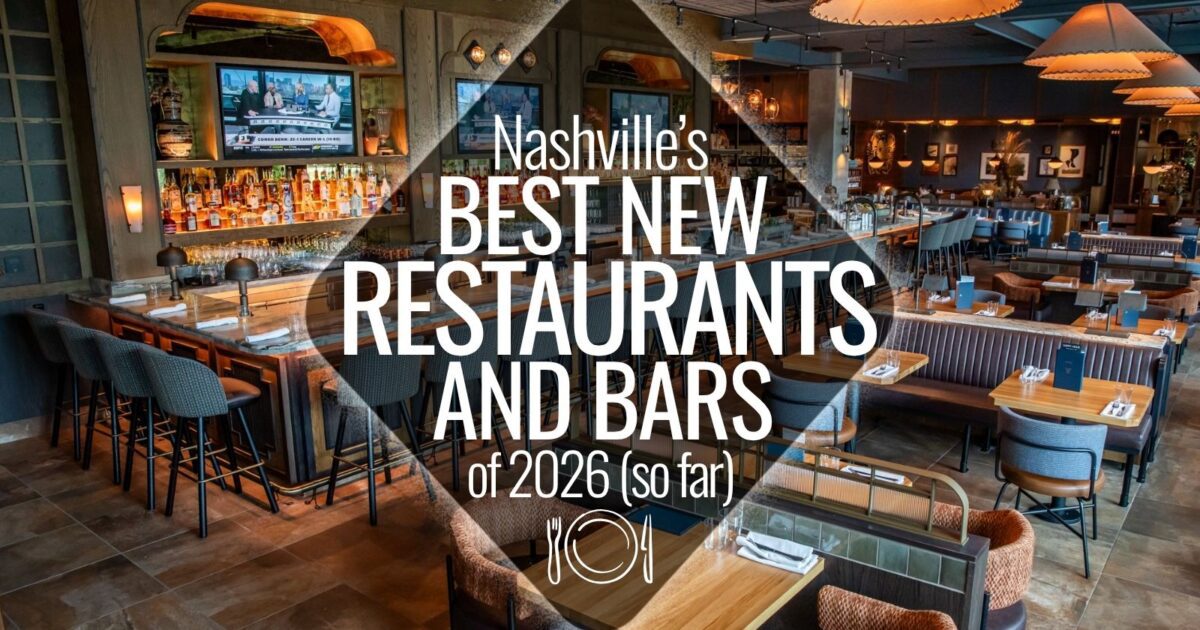
Updated in late September 2026, Nashville Guru’s round‑up of the city’s best new restaurants and bars of 2026 charts a season in which national brands, neighbourhood independents and chef‑led projects jockeyed for attention. The list—compiled from openings across Downtown, Wedgewood‑Houston, the Gulch and other nodes—reveals both repeating concepts and tactical approaches designers and operators are using to land in locals’ good books.
Clusters and concept duplication: a signal for placemaking over novelty
One obvious pattern in the Gurus’ selection is geographical clustering. Wedgewood‑Houston, Downtown/Nashville Yards and Germantown feature repeatedly, which underlines two planning realities: developers are specifying hospitality spaces in those districts and experienced teams are choosing proven trade areas. Equally instructive is concept repetition. Multiple Italian restaurants (PennePazze, Alla Vita, Lupo Notte, Bacco) and seafood‑steeped openings (Ocean Prime, Fishmonger) show operators betting on category familiarity with differentiated positioning—fine dining versus neighbourhood trattoria, or national steakhouse versus regionally minded fishery. For designers and marketers, this means that authenticity cues (open kitchens, local sourcing badges, visible pastry counters) and clearly signalled price positioning are more important than inventing entirely new food categories.
Experience- and bar-led formats are polished, review‑savvy and tech-enabled
Bars and cocktail lounges such as NoWhere Special and Middleman demonstrate how today’s successful openings stitch together craft credentials with Instagram‑ready interiors. High Google ratings and sizeable review counts across many of the entries indicate strong early PR and guest‑experience focus; several operators appear to have prioritised soft openings, influencer nights and reservations management to capture favourable first impressions. Designers should note the contemporary bar playbook: layered, photographable moments (textural backdrops, curated lighting), compact but flexible late‑night menus, and back‑of‑house efficiencies that support fast service without destroying ambience.
There’s also a clear thread of locality and provenance running through higher‑rated entries. Farm‑to‑table Naked Farmer, neighbourhood coffee and bakery projects like Olala Cafe and Alma Viva, and single‑format specialists such as Hattori Nori (handroll bar) point to a consumer appetite for products with a simple, easily communicated story. For brand teams, this favours concise narratives and packaging that can travel across social, delivery and on‑site touchpoints.
Why this matters to operators and creatives: the 2026 crop in Nashville shows that success now depends less on radical novelty and more on disciplined execution of a recognisable concept. Choose an appropriate district, articulate where you sit in the market, design for memorable micro‑moments and make early customer feedback part of your operating rhythm. That combination—location intelligence, clear positioning, aesthetic moments that photograph well, and an operations plan that sustains good reviews—remains the repeatable play that gets a new venue noticed and keeps it booked.