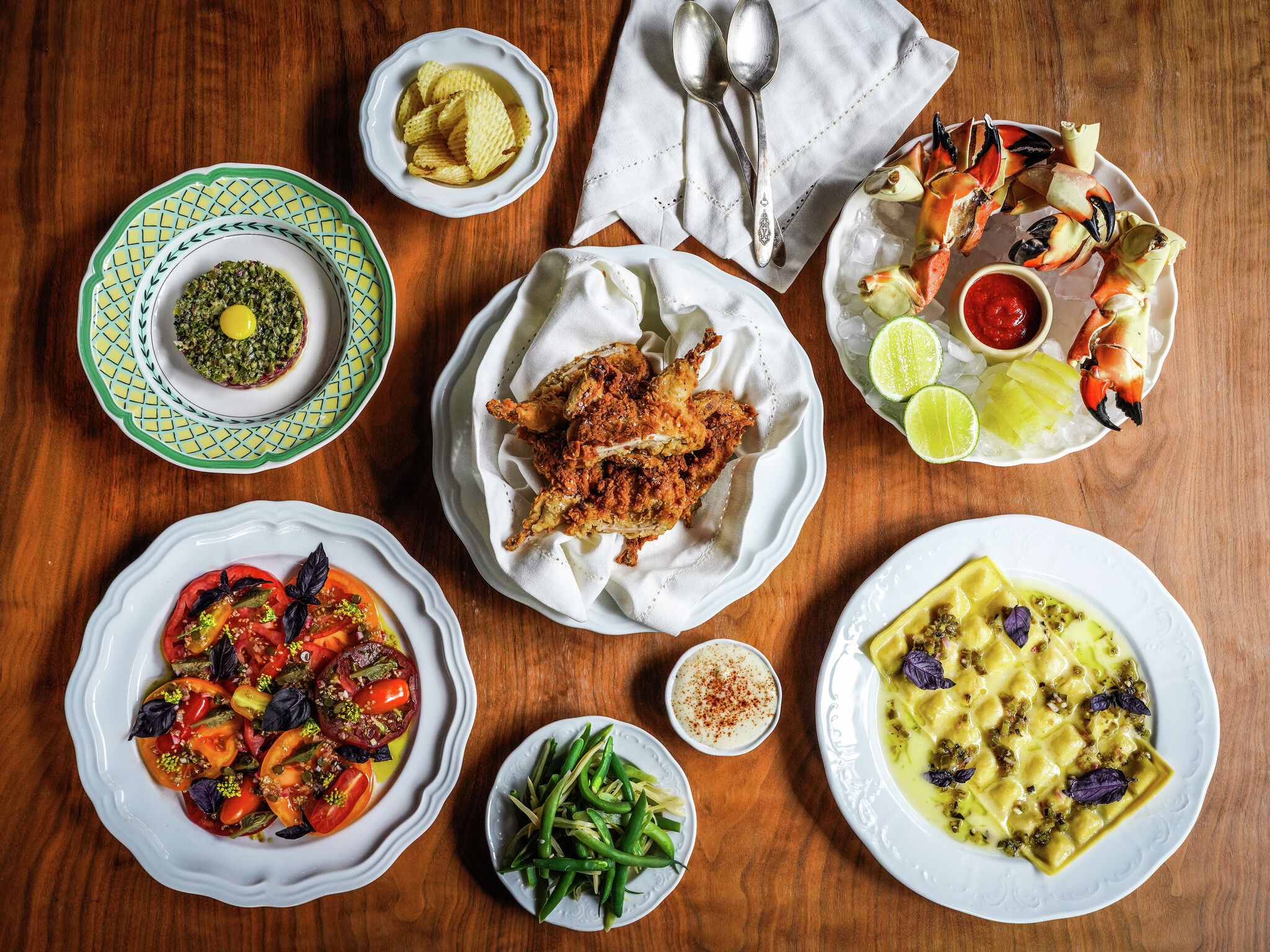
The restoration of a long‑standing River Walk hotel has attracted a high‑profile culinary partner: Emmer & Rye Hospitality Group, a team with Michelin Guide recognition, will open Barberry — an all‑day brasserie — as part of the hotel’s food‑and‑beverage programme when Sítio El Tropicano reopens late 2026. The move stitches a contemporary, ingredient‑led restaurant operator into one of San Antonio’s most visible waterfront addresses, signalling a deliberate repositioning of the property away from purely tourist fare and toward citywide relevance.
What’s planned and who’s behind it
Emmer & Rye — the Austin group behind several Michelin‑recognised projects and known for places such as Pullman and the dessert lab Nicosi — has been tapped to run multiple outlets inside the reborn Sítio El Tropicano. The company will operate three concepts for the hotel: a lobby café with provisions, Barberry as the signature daytime‑into‑evening brasserie, and a poolside venue focused on cocktails and light bites. The group’s partners and chefs bring a track record of prize‑winning kitchens and a playbook that blends casual service with tight culinary control.
Design and positioning implications
Placing a brasserie such as Barberry in the River Walk hotel setting is a strategic design and programming decision. Brasseries read as approachable but can be elevated through menu curation, sourcing stories and a deliberately flexible service model — all useful when addressing mixed guest profiles that include visitors, conventioneers and locals. The hotel’s restoration provides a fresh physical canvas; the culinary partner supplies the programming that will determine whether the restaurant functions as an amenity, a dining destination or both.
Operationally, the layered concept approach reduces single‑point dependency on one revenue stream. A lobby café and provisions shop can capture morning and daytime traffic, Barberry can anchor dinner covers and events, and a poolside offering activates leisure guests — together improving yield per occupied room and broadening appeal beyond River Walk footfall alone. For creatives, this requires cohesive brand language across three venues: coherent type, material choices and a consistent culinary narrative to knit guest experiences together.
Execution risks remain: historical hotels often present service‑flow constraints, and River Walk’s tourist geography can lead to polarized expectations between locals seeking authenticity and visitors seeking spectacle. Emmer & Rye’s Michelin‑adjacent reputation gives the programmes credibility, but translating that into sustained local patronage will depend on pricing, menu relevance and how the restaurants communicate belonging to San Antonio’s dining scene rather than being an island within a hotel.
Why this matters for hospitality operators and creatives: the project is a clear case study in how culinary partnerships are used to reposition heritage hotels. Operators should note the value of multi‑concept food programmes to diversify revenue and shift brand perception; designers and brand teams should focus on creating a unified narrative across varied outlets so that each space amplifies the hotel’s renewed identity while remaining legible to distinct guest types. The outcome in late 2026 will offer practical lessons about balancing destination dining with everyday accessibility on one of the nation’s most photographed urban waterways.