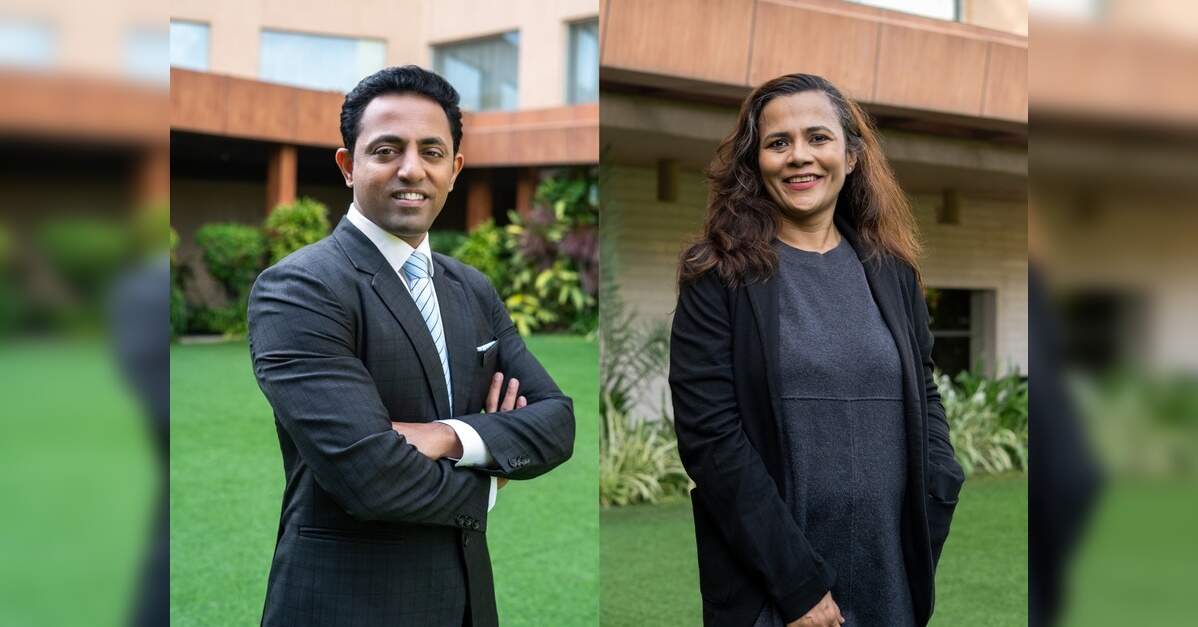
Courtyard by Marriott Mumbai International Airport has announced two commercial hires: Mahesh Shetty as director of sales and Avani Dedhia as marketing communications manager. The appointments, confirmed in a company release, signal a focused effort to deepen the hotel’s hold on corporate, MICE and airport-adjacent leisure demand as Mumbai’s hospitality market continues to rebound and evolve.
Strengthening commercial muscle at an airport property
The choice of profiles is deliberate. Mahesh Shetty arrives with close to two decades of hospitality sales experience and a track record at prominent Mumbai and national properties; his remit is to lift room and banquet revenue and consolidate corporate relationships. For a property that sits in one of India’s busiest aviation catchments, a seasoned sales head is less about guest acquisition from walk-ins and more about converting frequent-corporate travellers, airline-related business and regional MICE contracts into reliable revenue streams.
Recalibrating brand voice and visibility
Avani Dedhia brings over 17 years in marketing, communications and public relations across luxury and lifestyle segments, and will steer brand positioning, communications and digital visibility. Her role is likely to bridge the hotel’s commercial objectives with narrative and content — aligning promotional activity for F&B, events and room packages with the sales team’s pipeline. In urban airport districts, perceptual differentiation matters: an effective marketing communications lead can turn a commodity-like product (a well-located midscale/upper-midscale hotel) into a recognisable option for agency bookers, corporate travel managers and event planners.
These hires sit within a broader, recurring pattern in the Mumbai market: operators are bolstering commercial and marketing leadership to capture recovering corporate travel and rising domestic leisure flows. For Courtyard by Marriott Mumbai International Airport that means a dual focus — maximise yield from banquets and corporate contracts, while using sharper storytelling and targeted campaigns to maintain occupancy during soft leisure windows and across shoulder periods.
Operationally, success will depend on close integration between the new commercial leads and existing teams — revenue management, operations, F&B and the pre-opening or relaunch programmes that many airport hotels run to remain competitive. Given the hotel’s proximity to major transport infrastructure, partnerships with airlines, travel platforms and local corporates will be low-friction ways to scale demand; effective PR and content will then convert those relationships into occupancy and ancillary spend.
Why this matters to hospitality operators and creatives: the appointments underline an industry truth — physical location alone no longer guarantees commercial success. Operators must invest in senior sales leadership to secure high-margin, repeat business, and pair that with strategic communications to shape perception and distribution. For creative teams, the brief is clear: translate commercial priorities into campaigns that speak to corporate bookers and MICE planners as much as to travellers, and measure creative impact against direct revenue outcomes rather than vanity metrics alone.