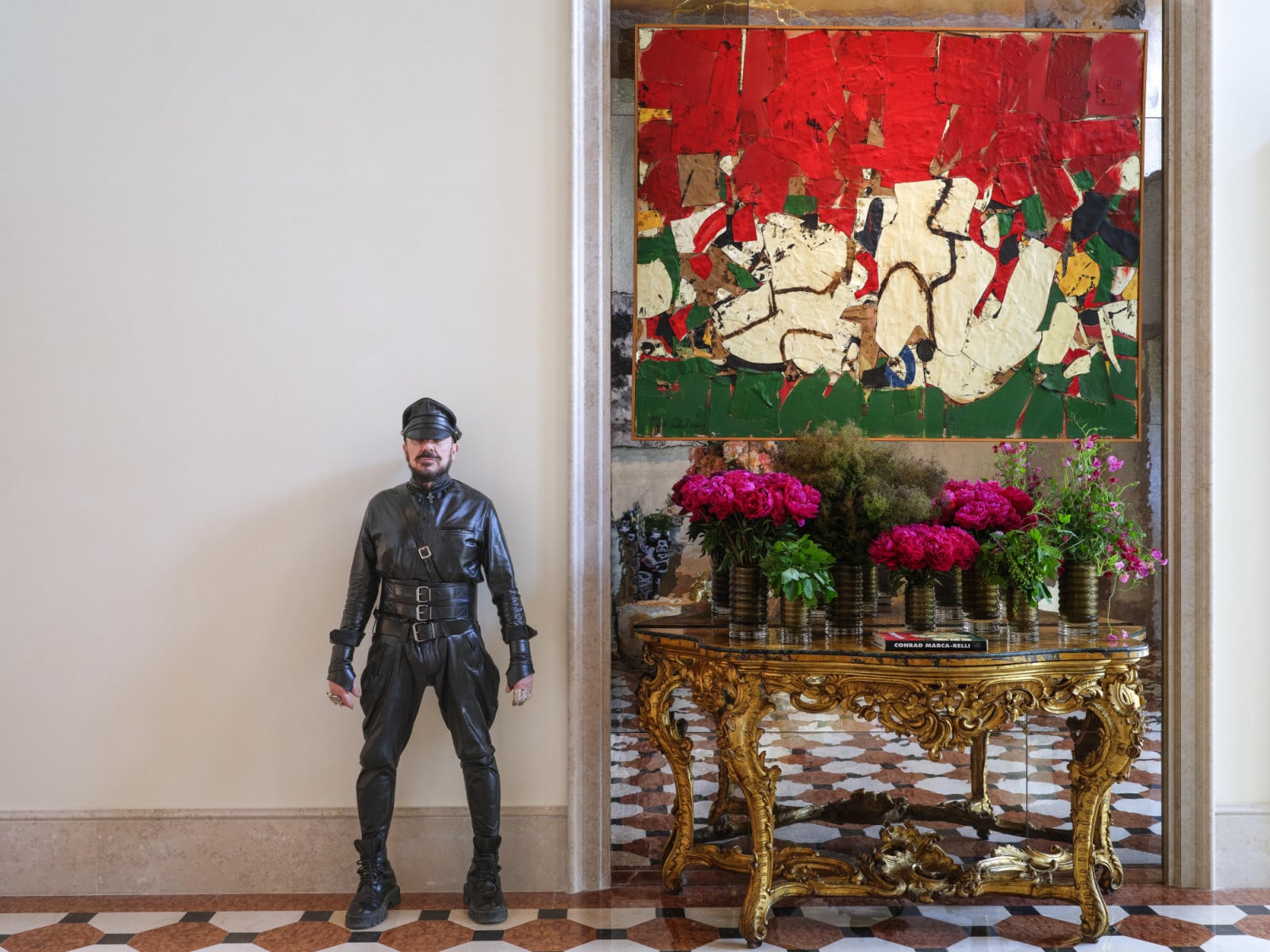
Standfirst: Peter Marino’s multi‑phase renovation of Venice’s Hotel Cipriani, a 67‑room icon, marks an intentional dialogue between bespoke contemporary interventions and the city’s layered artistic heritage. The first phase, which included a redesigned lobby and 13 suites, was completed on 27 May 2025, and positions Marino’s practice as both custodian and provocateur within an intensely historic context.
Respectful reinvention: balancing art, architecture and Venetian memory
Marino’s approach reads less like cosmetic refurbishment and more like a calibrated re‑staging of place. Rather than erasing the Cipriani’s mid‑century glamour, the project appears to amplify it — aligning new interventions with Venice’s visual continuities from Byzantine mosaics through Tiepolo to 20th‑century modernism. This tactic, evident in the carefully choreographed lobby and the initial suite roll‑out, signals a design strategy that privileges resonance over replication: materials, sightlines and artwork are marshalled to reinforce the hotel’s identity as a cultural palimpsest rather than as an isolated luxury object.
Layering luxury: how contemporary touches serve heritage narratives
What distinguishes Marino’s work here is the insistence that luxury need not be obfuscating. The project’s early phase shows how contemporary fittings and commissions can foreground — not obscure — local craftsmanship and provenance. By treating suites and public rooms as curated stages for art and architecture to converse, the renovation leverages visual storytelling as a guest experience. This is a practical lesson for heritage hotels: tasteful modernisation can be a vehicle for deepening place‑specific narratives, provided it is executed with restraint and a clear curatorial eye.
The renovation also exemplifies a pragmatic phasing model. Completing the lobby and a set of suites first allows an operational core to remain open—or at least to re‑open quickly with flagship environments—while longer works continue. For owners and operators, this is an efficient way to manage capital works in a high‑profile destination: maintain brand visibility, deliver immediate PR value and gather guest feedback that can inform later phases.
Why this matters to hospitality operators and creatives: Marino’s Cipriani work reframes refurbishment as storytelling rather than mere asset improvement. For operators, the takeaways are strategic: phase investments to protect revenue and use artful design to anchor a property’s authenticity in ways that justify premium positioning. For creatives, the project is a reminder that interventions in historic places demand humility — an ability to design additions that feel inevitable, not imposed, and that leverage both contemporary technique and local cultural legacies to create enduring hospitality experiences.