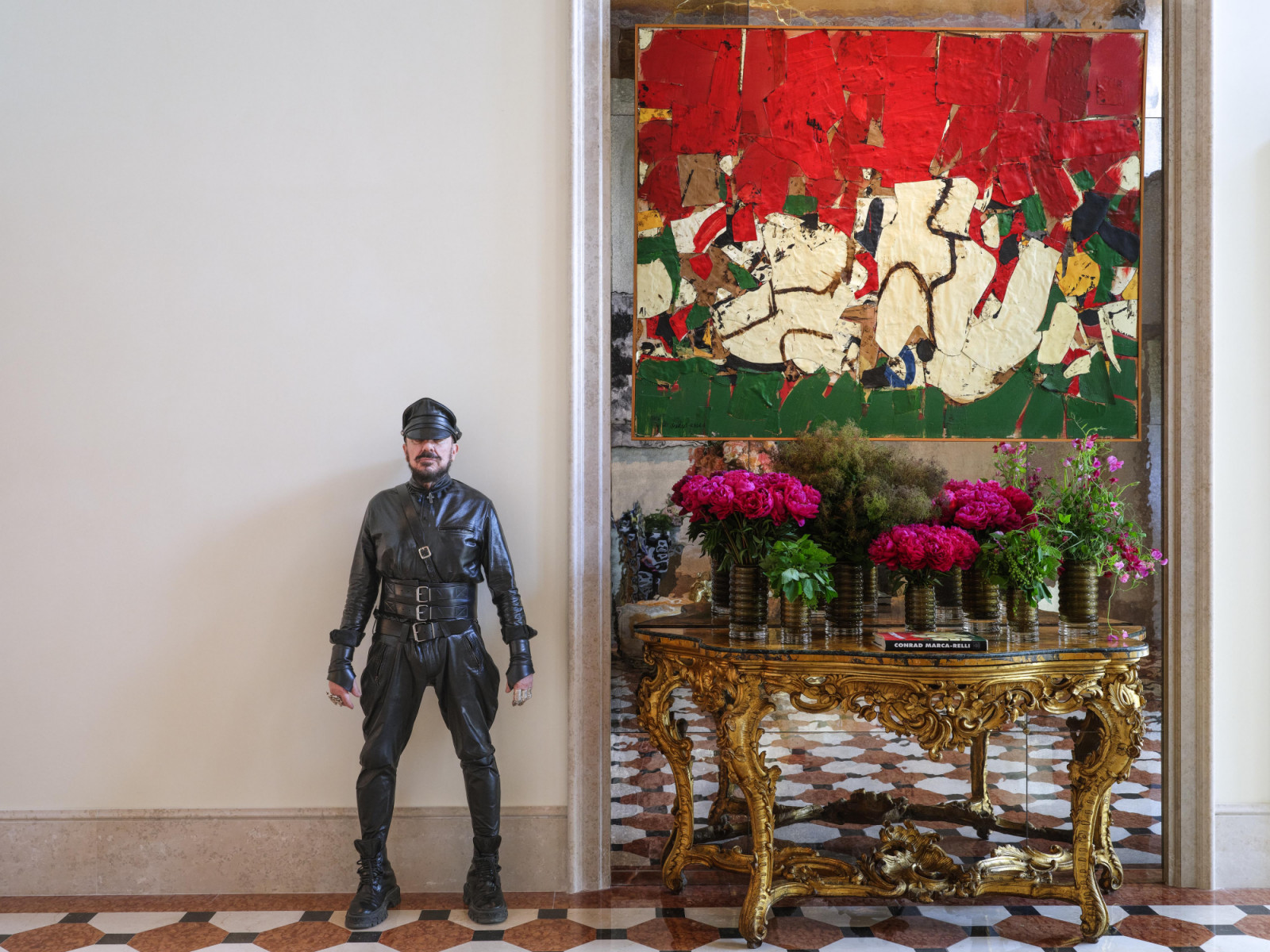
Peter Marino’s multi‑phase renovation of Hotel Cipriani on Giudecca stages a deliberate conversation between Venice’s layered past and the mechanics of contemporary hospitality. The project—covered by Tatler Asia—sees Marino, a longstanding advocate for integrating art and architecture, recalibrate the hotel’s public rooms, suites and dining spaces to emphasise provenance, mid‑century glamour and present‑day artistic intervention.
Layering eras to protect an institutional identity
Marino’s method at Cipriani is not about erasing history but about composing it. Reporting and ancillary coverage show he divides the brief into three overlapping registers: the visual language of historic Venice, the hotel’s 1950s founding era, and contemporary art and design. That tripartite approach allows original architectural and decorative elements to remain legible while new interventions—furnishings, lighting and curated artworks—are introduced as a modern counterpoint, rather than as pastiche. The result is a choreography that preserves the hotel’s institutional identity (its role as a mid‑century jet‑set refuge) while reasserting its relevance amid today’s luxury‑hospitality landscape.
Art as operational and spatial strategy
Across sources, Marino’s hallmark—commissioning and situating site‑specific art—appears central to the brief. The renovation reframes circulation and focal points (notably the lobby and signature suites) as places where contemporary pieces animate older surfaces and antique furnishings. Careful placement of contemporary work alongside mid‑century furniture and Venetian artefacts performs several functions: it refreshes guest experience, creates moments for social media‑susceptible imagery, and positions the hotel as a small private gallery that amplifies the city’s wider cultural calendar. Practical design moves—reworked sightlines, daylight management and upgraded service circulation—enable those artworks and heritage moments to be read coherently by guests and staff alike.
Material choices documented in coverage—Murano glass in the renovated restaurant, refined terrazzo and bespoke joinery—signal a rigorous attention to craft that aligns with Venice’s artisanal reputation. At the same time, the strategy of staging renovation in phases allows the hotel to remain operational and to test guest response, an increasingly common commercial consideration for large heritage properties that must balance revenue, conservation and publicity.
Why this matters to hospitality operators and creatives
The Cipriani project is a practical case study in how to refresh a storied hotel without sacrificing its soul. For operators, it demonstrates the commercial logic of phased works, strategic curatorial programming and the value of leaning into local craftsmanship. For designers and creative directors, Marino’s strategy underlines the importance of contextual layering—using contemporary art and selective contemporary design interventions not as stylistic showpieces but as tools to read, reframe and extend a property’s cultural narrative. In short, the renovation is as much about storytelling and guest perception as it is about materials and geometry—an instructive model for any hospitality project that must honour history while courting the present.