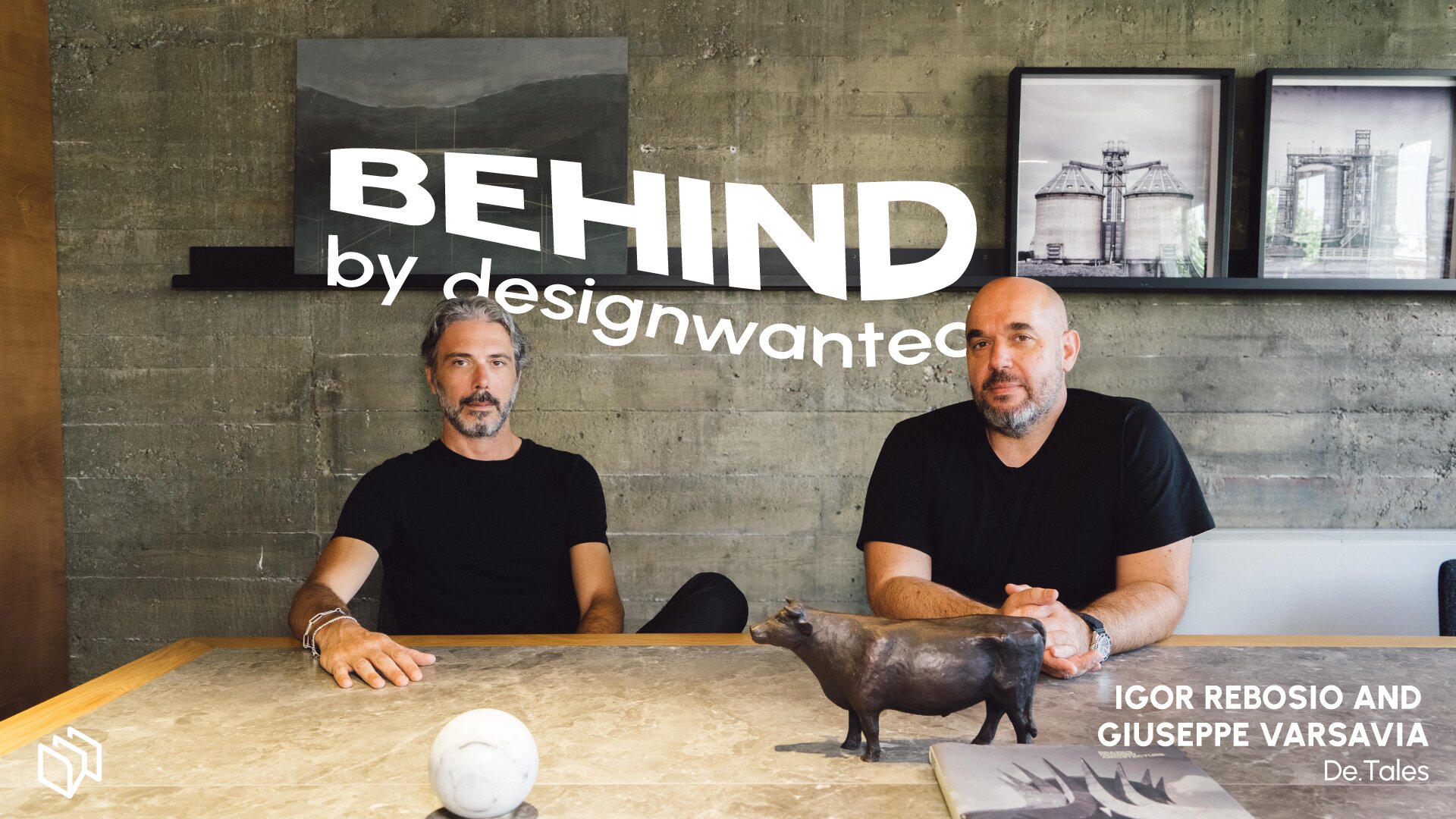
De.Tales, the Milan‑based studio founded in 2021 by Giuseppe Varsavia and Igor Rebosio, frames every commission as a constructed “design tale”: a narrative outcome of rigorous analysis rather than a decorative overlay. Working across architecture, interiors and product design, the practice has directed growing attention to hospitality, treating the hotel programme as a multilayered conversation between place, people and operational realities.
Story‑first practice: narrative as method
What distinguishes De.Tales is an insistence that storytelling is a methodological backbone, not an applied theme. The studio’s process begins with an in‑depth reading of context—market positioning, ownership ambitions, cultural references and social dynamics—then translates those insights into spatial decisions. By conceiving the architectural envelope and the interior atmosphere as interdependent layers, De.Tales avoids one‑off stylistic gestures and instead crafts coherent, site‑specific identities. This approach makes repetition impossible: the character of a Sicilian hotel is deliberately informed by a different constellation of actors and histories than a Milanese project.
Integrating disciplines to control experience
Operationally, De.Tales’ transversal model—straddling architecture, interiors and product thinking—allows a single narrative voice to guide technical and aesthetic choices. For hospitality clients, that reduces the friction of coordinating separate consultants and helps align brand, owner and operator expectations around one coherent story. The studio’s attention to genius loci reframes the concept beyond geography or heritage to include the people connected to a project, from local communities to front‑of‑house teams. The result is an immersive programme where structure and surface reinforce the same experiential proposition.
There are commercial levers embedded in this creative stance. A narrative‑led design can sharpen a property’s market positioning and make intangible differentiators—authenticity, local relevance, operational flow—tangible to guests. However, it also raises project complexity and cost: integrating architecture and interiors from brief to handover requires a longer, more collaborative development phase and clients comfortable with exploratory research. De.Tales’ model therefore suits brands and owners prepared to invest in bespoke identity rather than rapid roll‑out formulas.
Why this matters to hospitality operators and creatives
For operators, a design that embeds operational teams and brand intent into the early narrative reduces retrofit risk and can improve service choreography and guest experience. For creatives, De.Tales’ practice is a reminder that design can be both interpretative and procedural: narratives are tools to organise research, make trade‑offs visible and produce spaces that mean something to their users. In an era when uniqueness and contextual sensitivity increasingly drive guest choice, the discipline of “designing narratives” offers a practical route to distinct, defensible hospitality concepts—provided clients accept the time and collaborative investment that method requires.