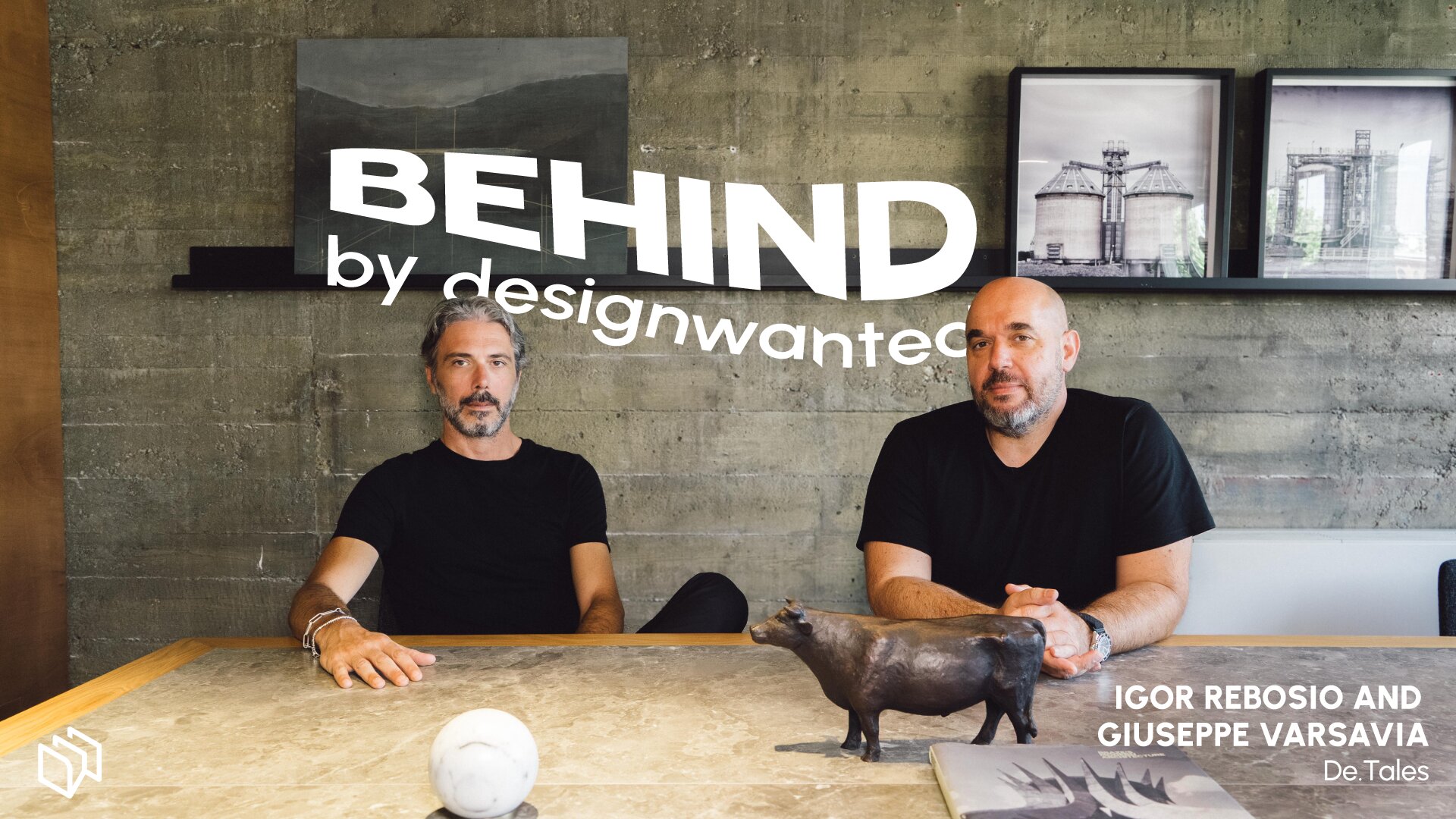
De.Tales, the Milan‑based studio co‑founded by Igor Rebosio and Giuseppe Varsavia, frames design as a mode of storytelling rather than decoration. Recent coverage by DesignWanted lays out an approach that treats narrative as the organising logic for projects—one that emerges from research, material choices and spatial sequencing instead of applied as a thematic veneer. This digest examines how that method translates into built work and what it means for hospitality designers seeking richer guest experiences.
From briefing to storyworld: process over style
What distinguishes De.Tales’ practice is the insistence that a project’s “story” should be the product of an investigative process. The studio positions narrative as the outcome of analysis—reading a site’s cultural, material and programmatic cues and then composing an architectural response from those readings—rather than as a pre‑set moodboard. That procedural emphasis allows the studio to operate transversally across architecture and interiors so the spatial language remains coherent from macro organisation to bespoke furniture and finishes. The effect is a controlled, layered storyworld in which every element signals a point in the narrative arc rather than acting as a disconnected aesthetic flourish.
Materiality, memory and calibrated gestures
De.Tales uses material choices and craft details as narrative devices. In projects the studio has described, natural materials, locally informed detailing and measured colour palettes are deployed to anchor memories and local identity—tools that invite guests to read a place rather than merely occupy it. This approach foregrounds what might be called “quiet authorship”: design moves that are deliberately restrained but communicative, encouraging guests to discover layers of meaning over time. For hospitality briefs—where the tension between branding and comfort is acute—this kind of calibrated gesture resists instantly legible spectacle in favour of durability and guest attachment.
Operationally, working as an integrated architecture‑and‑interiors studio gives De.Tales practical control over narrative fidelity. When architects, interior designers and product designers share authorship from concept to execution, narrative shifts during detailing are minimised and the intended reading of space is preserved. The trade‑off is the resource intensity of that model: it works best for clients able to commit to bespoke interventions rather than off‑the‑shelf rollouts.
Why it matters: for hospitality operators and creatives, the lesson is strategic. Treating narrative as a design methodology—embedded in research, materials and cross‑disciplinary delivery—creates guest environments that feel authored and enduring, not trend‑led. For brands seeking meaningful differentiation, investing in the process that generates a genuine site‑specific story will pay dividends in guest loyalty and long‑term identity; for designers, it reframes the brief from “styling” to authorship, with implications for procurement, timelines and collaboration models.