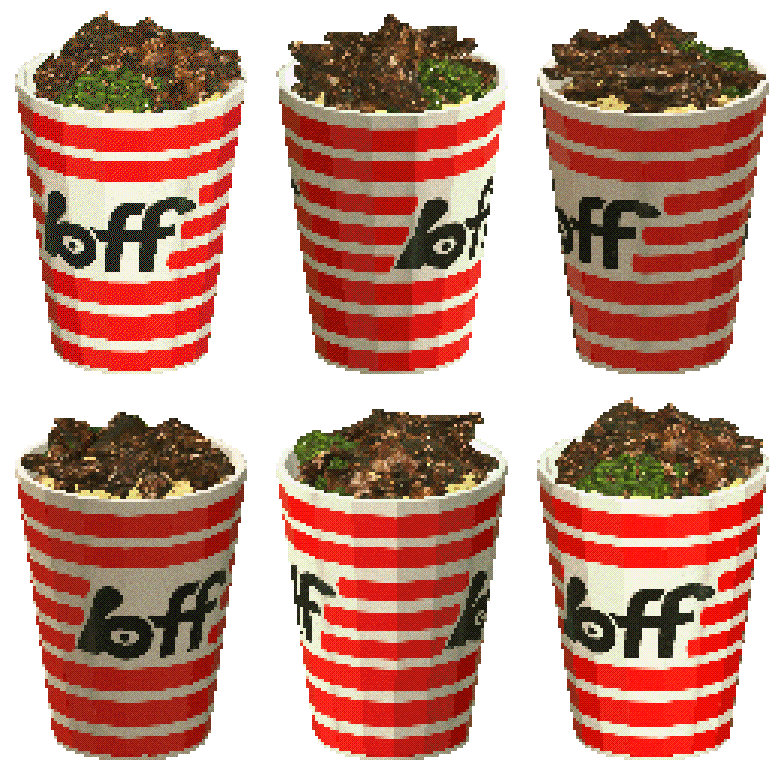
Bao’s new offshoot, BFF (Bao Fast Foods), translates the restaurant’s playful, design-forward DNA into a fast-food and convenience-store hybrid. The identity, created with Hato, leans into the visual language of quick-service culture—bold colour, familiar retail cues and a series of mascots and icons—while deliberately making its assets open-source. The result reads less like a boutique restaurant spin‑off and more like a cultural product designed to be adopted, adapted and spread.
Design that trades exclusivity for ubiquity
Where many hospitality brands treat identity as a proprietary asset, Bao’s decision to publish a “source code” for BFF shifts the calculus. The identity system is modular and deliberately permissive: logos, patterns, character art and usage guidelines are built to be recombined across packaging, pop-ups and third‑party activations. Visually, the work nods to the visual shorthand of corner shops and fast‑food chains—simple pictograms, high‑contrast palettes and typography that reads at a glance—so that the brand can function in the fleeting, transactional contexts typical of convenience retail.
Hybrid retail cues and playful absurdity
BFF’s visual toolkit extends beyond pragmatism into a more whimsical register. Mascots and surreal vignettes—figures perched on photocopiers or a soft, cloud‑like cat—push the identity away from literal Taiwan nostalgia and toward a distinct, shareable personality. This balance between utility and theatre is crucial: the convenience‑store reference points make the brand immediately legible in streetside encounters, while the idiosyncratic imagery creates social currency for digital sharing and editorial coverage.
Operationally the brand is positioned as an experiment in scale and cultural translation. By framing BFF as a convenience‑lab style pop‑up and releasing its materials publicly, Bao signals an intent to test rapid iteration, local collaboration and community-led adaptation rather than control every touchpoint from a central HQ. That approach dovetails with how quick‑service and convenience formats succeed: speed of iteration, tight visual legibility and the capacity to meet everyday needs with low friction.
Why this matters to hospitality operators and creatives
For operators, BFF is a reminder that a rapid‑service format can be an extension of a premium brand if its identity systems are designed for clarity, reproducibility and local activation. For designers and marketers, it’s a case study in open IP as a growth strategy: making brand assets available encourages cultural ownership and can amplify reach, but it also requires robust, adaptable guidelines to preserve core values. In short, BFF demonstrates a practical blueprint for translating bespoke hospitality sensibilities into formats built for speed, scale and communal authorship—an increasingly important skillset as hospitality seeks new avenues for growth.