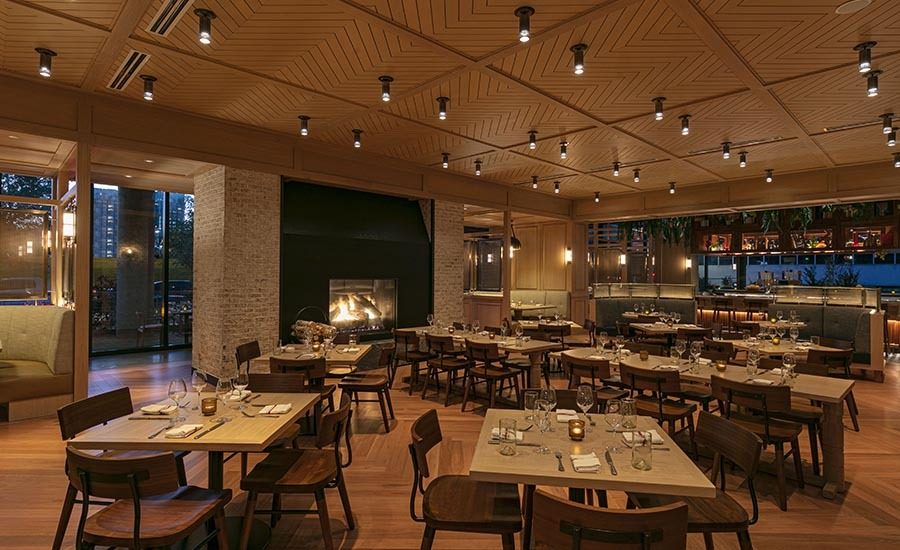
Standfirst: Architectural Record’s recent piece, The Hidden Design Elements Behind Exceptional Guest Experiences, surfaces how discreet architectural and interior decisions—from ceiling systems to arrival choreography—shape perception, comfort and return visits. Below I unpack the report’s documented examples and consider practical implications for hospitality brands and designers.
Materiality and acoustic craft as storytelling tools
The article spotlights projects in which material choices do more than decorate: they perform. In one example, a wood ceiling system was used to knit together warmth, visual identity and acoustic control within a restaurant setting, demonstrating that ceiling design can be both the aesthetic anchor and the functional solution to noise in active dining rooms. That tandem of finish and function is increasingly evident across contemporary hotel and F&B work, where timber, perforated metal and layered textiles are deployed to modulate sound levels while signalling brand tone.
Sequence, flow and the invisible choreography of comfort
Beyond surfaces, the report emphasises sequencing—how guests arrive, move and pause through a space—as a core, often invisible, design responsibility. Thoughtfully composed arrival sequences, sightlines and thresholds shape expectations before service begins, while staff circulation and back-of-house logistics quietly sustain perceived hospitality quality. This choreography, when aligned with brand narrative, reduces friction and elevates the feeling of a cohesive, effortless stay. Industry practitioners have echoed this view: designers are treating movement and programmatic relationships as key brand instruments, not merely technical constraints.
Lighting, texture and micro‑moments also feature as cumulative drivers of memory. Small tactile details—seat heights, door hardware, integrated planting—compound across a guest stay to form impressions that command loyalty. The Architectural Record coverage situates these micro‑decisions alongside larger gestures, arguing that exceptional guest experiences are the product of many calibrated, often hidden, interventions rather than single signature moves.
Operational resilience is a design outcome, not an afterthought. Durable materials, accessible service routes and acoustic strategies that reduce staff stress contribute directly to measured outcomes such as repeat visits and employee retention. When designers anticipate wear, maintenance and service choreography up front, the built result stays truer to concept over time—protecting capital investment and guest perception alike.
Why this matters to operators and creatives: the piece underlines a simple commercial truth—guest experience is engineered as much by hidden details as by visible theatrics. For operators the lesson is to prioritise specification and programming that reduce friction and future maintenance costs; for creatives it is an invitation to marry craft with technical rigour. Investing in thoughtful ceilings, acoustic planning, arrival choreography and robust operational design yields measurable returns: deeper brand expression, more consistent service delivery and stronger commercial durability.