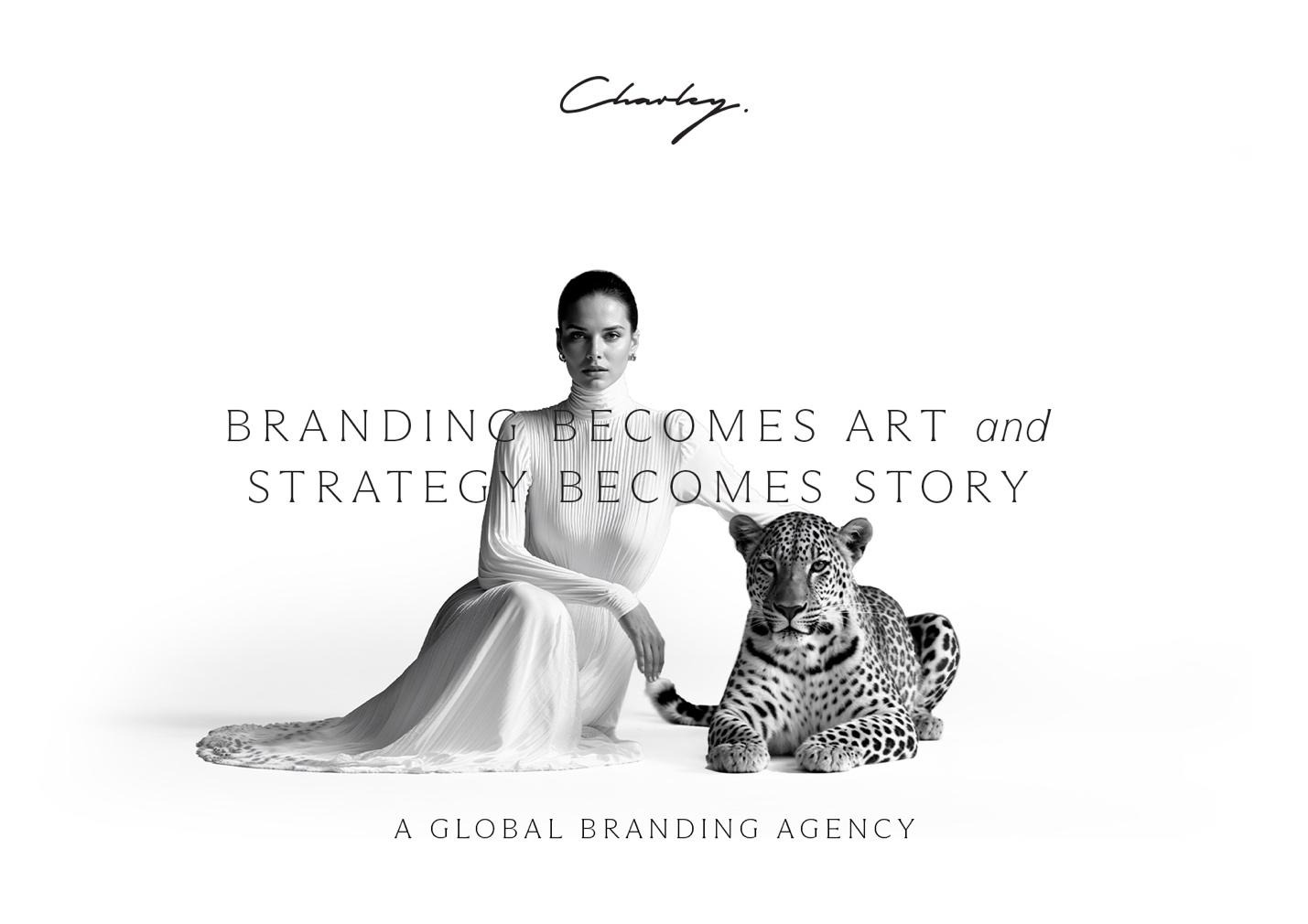
Charley SIGNATURE — the eponymous luxury‑branding agency led by Charley Baouamina — is increasingly visible as a Miami‑based node for high‑end brand work. Recent coverage in LUXUO and the agency’s own communications position the studio as a specialist in identity, real‑estate and hospitality projects that aim to translate global luxury codes into a Miami context.
Positioning a practice at the intersection of place and prestige
Charley SIGNATURE has been presented publicly as a multi‑market operation with a footprint in Miami alongside activities in Paris, Dubai and other global centres. Its project list, as described in press and on the agency site, spans branded residences, hospitality repositioning and lifestyle concepts — categories that depend heavily on narrative, spatial programming and partnerships with developers and hospitality operators. This is a deliberate positioning: Miami today functions as a testing ground where seasonal tourism, resident wealth, art‑world calendars and a growing roster of global luxury flagships converge. For an agency, that convergence reduces friction when translating aspirational codes into commercially viable identities.
Visual identity as strategic infrastructure, not ornament
The agency’s recent framing of its work emphasises brand systems that integrate identity, tone of voice and experiential touchpoints across sales suites, concierges and lifestyle platforms. That approach treats the visual identity as one part of an operational ecosystem rather than a standalone aesthetic. In practice, this shift is important: luxury projects in Miami often require coherent narratives that can be deployed across real‑estate launches, F&B collaborations, events tied to Art Basel and seasonal programming. The most resilient identities are those built to endure cyclical exposure and to be adapted for partnerships — a requirement Charley SIGNATURE foregrounds in its case studies and commentary.
Recognition and industry awards reported in trade outlets reinforce the agency’s rising profile, and the firm’s membership of professional networks cited on its site suggests an intent to sit at the centre of a referral economy that includes developers, hoteliers and international maisons. That networked approach matters in Miami, where decisions about which creative teams are appointed are often influenced as much by relationships and regional credibility as by portfolio quality.
Editorially, the story is not just that a single agency is gaining traction but that Miami’s ecosystem rewards branding practices that blend global craft with local cultural fluency. Agencies that offer strategic frameworks for living‑brand experiences — rather than discrete logos — will find recurring briefs as the city’s luxury pipeline continues to mature.
Why this matters to hospitality operators and creatives: Miami’s market demands brand systems that can be activated across property sales, in‑house restaurants and seasonal cultural moments. Operators should prioritise partners who design identities as operational platforms (service scripts, partnership mechanics and visual systems) that scale. For creatives, the opportunity is to produce work that balances timeless luxury codes with the city’s idiosyncratic, event‑driven calendar — a combination that turns a brand identity into a commercially durable asset.