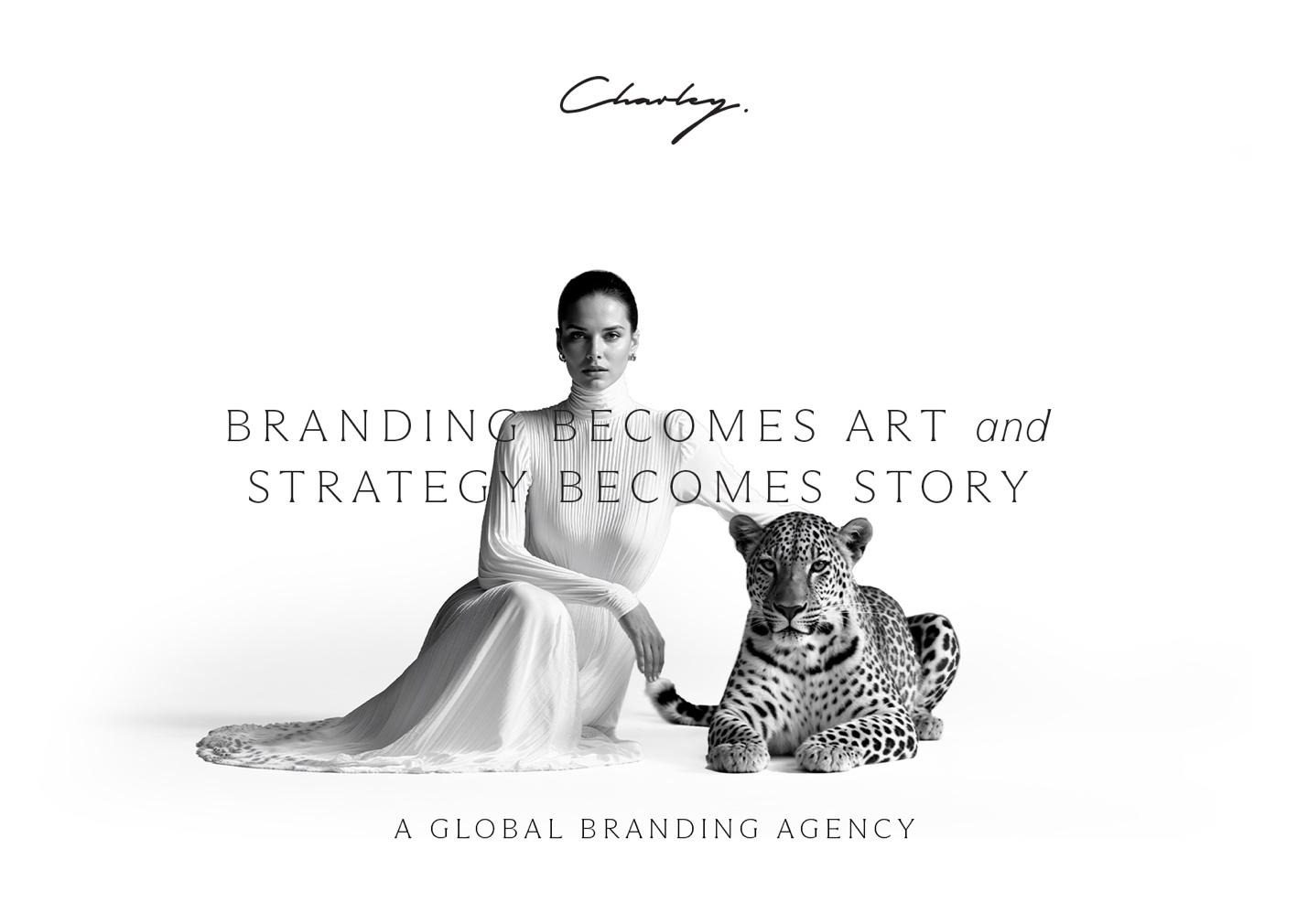
Charley SIGNATURE is positioning itself as a focal point of Miami’s luxury-brand ecosystem, leveraging a blend of global pedigree and local sensibility to serve hospitality, real‑estate and lifestyle clients. Recent coverage highlights the agency’s growing profile in South Florida and its wider work with high‑end maisons and developments.
From European ateliers to Miami’s shoreline: a transatlantic playbook
What distinguishes Charley SIGNATURE is the way it translates a European luxury vocabulary into a Floridian context. The agency’s founder and its portfolio of global clients give it the kind of credentialed narrative that luxury property developers and hoteliers prize: a promise of international taste, heritage cues and meticulous identity systems. In practice this appears as carefully curated visual identities, storytelling frameworks and experience concepts that reference established luxury codes—typography, materiality, editorial tone—while adapting them to Miami’s climate of spectacle and lifestyle currency. That hybrid positioning is commercially useful: it reassures conservative UHNW clients who value provenance while also speaking to the city’s fashion‑and‑party culture where visual impact and social currency drive desirability.
Service, scarcity and the compositional challenge of place
Miami’s luxury market demands more than pretty logos. Successful branding here must align with service design, narrative programming and place‑making—elements that convert affluent interest into bookings, membership and sales. Charley SIGNATURE’s work, as reported, spans hospitality, branded residences and lifestyle ventures; this breadth allows the agency to conceive identities that extend beyond static graphics into curated experiences, resident communications and launch activation. The real test in Miami is scarcity: the market is crowded with branded residences, celebrity openings and pop‑ups, so a brand’s difference often comes down to how convincingly it stages exclusivity and operationalises it across touchpoints, from presales microsites to on‑property concierge rituals.
There is also an important ecosystem effect. Miami’s Design District, Art Basel calendar, and international buyer flows make the city a laboratory for cross‑sector collaborations between fashion, hospitality and real estate. An agency that can orchestrate partnerships—capsule collections, editorial events, immersive installations—offers clients more than identity; it provides cultural lift and earned visibility. That strategic orchestration is where boutique luxury firms can command higher fees and longer engagements than commodity creative shops.
Why this matters to operators and creatives: Miami is a proving ground where brand architecture must meet operational reality. Hoteliers and developers should look beyond surface aesthetics and prioritise agencies that design brand systems integrated with service models, CRM flows and activation plans. For creatives, the opportunity lies in building repeatable frameworks that balance global luxury codes with the performative, social nature of Miami’s market—designs that not only look aspirational but can be executed consistently by front‑of‑house teams and scaled across marketing channels.