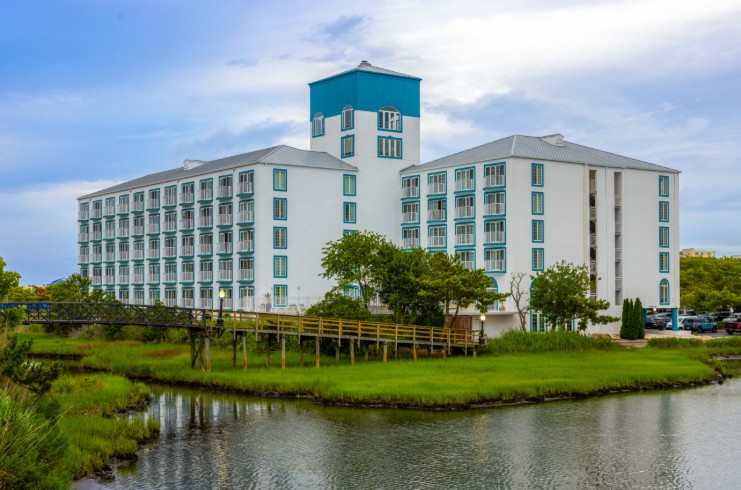
Soft branding — the hybrid model that lets hotels retain a strong, local identity while linking to a larger company’s commercial systems — is once again in the spotlight. Lodging Magazine’s recent piece argues that owners who are committed to crafting distinct guest experiences can prosper within soft-brand frameworks; this digest examines the practical trade-offs, the design imperatives and the commercial mechanics operators should weigh before affiliating.
Soft brands have become mainstream because they answer two concurrent market shifts: travellers want authenticity and owners want scale. Major chains have launched multiple soft-brand collections that offer distribution, loyalty access and operational back‑end systems without imposing a single, prescriptive look. At the same time, independent and lifestyle operators can preserve a building’s history, a neighbourhood story or a bespoke food and beverage identity — elements that increasingly influence booking decisions and allow rate differentiation when executed well.
Commercial benefits and the true costs
Affiliation delivers tangible commercial advantages: more predictable channel distribution, inclusion in loyalty programmes and the bargaining power of a global sales organisation. Those benefits can translate into higher occupancy and easier financing. But soft branding is not cost‑free. Owners shoulder the responsibility for ongoing investment in design, programming and service to maintain the property’s distinctiveness; without that, the premium that justifies higher rates evaporates. Recent industry commentary signals that owners now evaluate soft brands primarily through a return‑on‑investment lens rather than as a branding ideal, making commercial diligence essential before conversion.
Design, identity and operational alignment
Where soft brands succeed is at the intersection of intentional design and operational clarity. A hotel’s architecture, location or provenance can become the platform for guest-facing “touchpoints” — from curated artwork and locally sourced F&B to arrival rituals — but those elements must be codified so distribution and loyalty expectations do not dilute them. The larger companies increasingly provide playbooks and creative guidance to help hotels translate local stories into repeatable guest moments; the winning properties are those that use the platform’s systems to amplify, not overwrite, their character.
Technology and data are another deciding factor. Fragmented systems undermine the ability to monetise experiences and measure what matters: ancillary revenue, guest satisfaction and repeat business. Soft-branded hotels that integrate reservations, CRM and in‑stay commerce on day one are better placed to test which experiential investments deliver commercial return and which remain purely aesthetic.
Why this matters to hospitality operators and creatives: soft branding is effectively a platform choice, not merely a label. For owners it offers a route to scale and financing while preserving autonomy — provided they accept the accountability for constant reinvention and capital upkeep. For designers and marketers it creates an opportunity to craft authentic narratives that can be amplified through a brand’s distribution engine. The strategic question for both groups is whether the property’s identity is strong enough to command a premium and whether the owner is prepared to invest in the people, systems and creative work that turn authenticity into sustainable revenue.