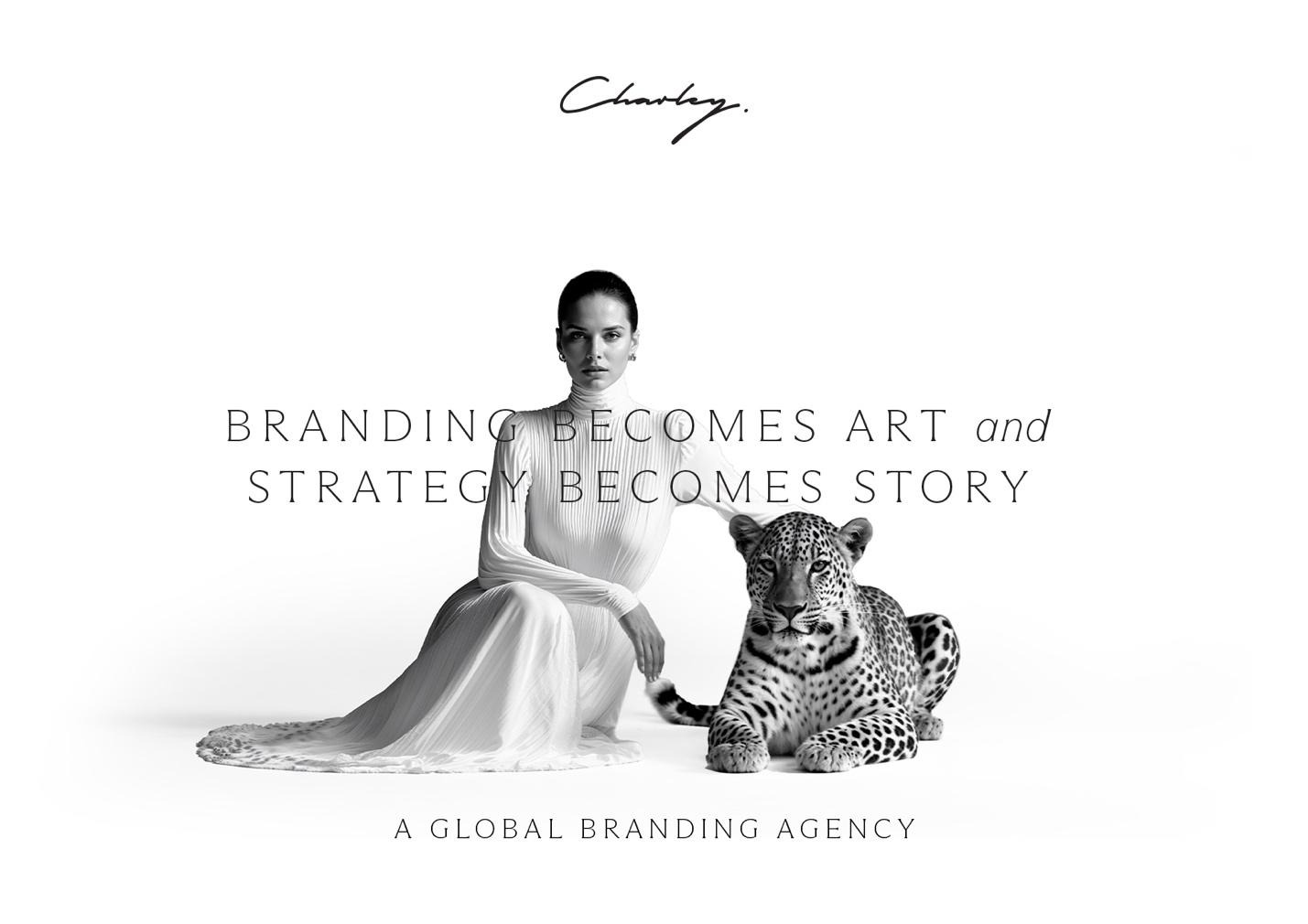
Charley SIGNATURE’s recent positioning in Miami is less about a single office opening and more about a cumulative play: a luxury creative house anchoring itself in a city that now translates cultural cachet into commercial value. Recent coverage highlights the agency’s rising prominence across hospitality, branded residences and lifestyle projects — a development that crystallises broader shifts in how luxury brands choose to stage themselves in market-facing cities.
From boutique studio to multi‑city maison
What stands out about Charley SIGNATURE is the steady accretion of credentials rather than a headline-grabbing pivot. Founded more than a decade ago, the agency has articulated work for established maisons and high‑end real estate developers across global centres; its Miami activity reads as the latest, logical extension of that trajectory. Rather than treating Miami as a seasonal marketing blitz, the agency has framed the city as a permanent node in a multi‑city network — a place where storytelling, placemaking and identity systems are calibrated to local tastes while remaining legible to international audiences. That model favours deep briefs: branded residences, hospitality concepts and bespoke lifestyle initiatives where identity work is integrated into architecture, programming and the sales narrative.
Why Miami matters for luxury branding now
Miami’s evolution from a resort economy to a year‑round luxury ecosystem gives strategic agencies fertile ground. The Design District, Art Basel calendar, and an influx of international capital have created repeated cultural moments that brands must navigate; success requires a practice that blends cultural programming with product and place. Charley SIGNATURE’s positioning plays to that requirement — emphasising narrative coherence across digital, physical and experiential touchpoints. For hospitality clients, that means brand systems designed not only to dress a property but to generate ongoing demand through events, collaborations and lifestyle extensions that keep a hotel or residence culturally relevant beyond opening weekend.
Operationally, the agency’s approach signals a shift in procurement: developers and hoteliers are increasingly commissioning agencies for long‑term brand architecture rather than one‑off identity work. This raises expectations around cross‑disciplinary skill sets — copywriters, experience designers, creative directors and strategists who can translate luxury signalling into resale value and guest loyalty. It also highlights the growing importance of localised cultural intelligence; Miami is not simply another luxury market to transplant Parisian codes into, but a hybrid stage with Latin American, Caribbean and global influences.
Why this matters to hospitality operators and creatives: Miami’s current market rewards brands that can convert cultural moments into sustained desirability. For operators, the lesson is strategic: invest in brand systems that endure and amplify a property’s programme, not just its aesthetics. For creatives, the opportunity lies in developing cross‑disciplinary practices that bind narrative to operations — because in a city where lifestyle is the product, a coherent, culturally attuned brand becomes one of the most valuable assets a hotel or residence can own.