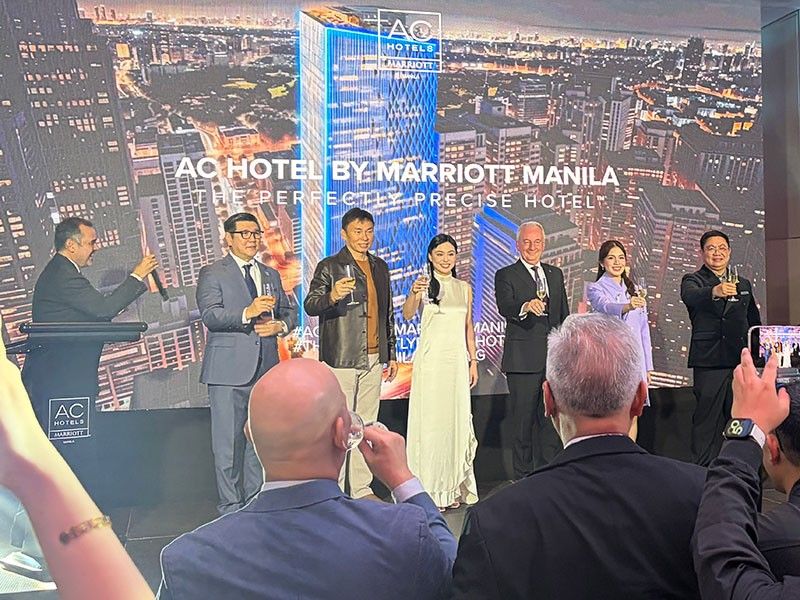
AC Hotel by Marriott has made its Philippine debut, positioning a European‑inspired lifestyle hotel within Manila’s Ortigas business district. The new property pairs the brand’s “perfectly precise” design ethos with local service gestures, signalling Marriott’s intent to marry international design language with Filipino hospitality in an increasingly design‑conscious market.
Context and physical presence
The hotel occupies a prominent floorplate in the GLAS Tower in Ortigas, a building noted for its sustainability credentials, and introduces the AC Hotels by Marriott banner to the Philippines as the brand’s first local outpost. The property comprises roughly 160 rooms including suites and apartment‑style accommodations, and brings a compact, city‑focused offering into a district already dense with international brands. Locating within a LEED‑certified tower gives the hotel an immediate sustainability story to tell—a useful differentiator in corporate and MICE markets where ESG factors increasingly influence procurement decisions.
Design language and guest experience
AC Hotel’s aesthetic draws visibly from its European lineage: restrained palettes, purposeful materials and social zones inspired by continental cocktail culture. The public areas and food‑and‑beverage concepts emphasise a social, bar‑centric moment—complete with a signature AC Gin & Tonic—while event spaces are configured for flexibility and skyline views. Yet the opening coverage and brand materials emphasise an equal measure of localisation: service gestures described as “Filipino warmth,” menu items that blend local ingredients with European preparations, and small touches such as scenting and curated beverage garnishes designed to soften the more austere aspects of European minimalism.
Operationally this blend of restraint and warmth is strategic. European design clarity can streamline housekeeping and maintenance, reduce capital spend on excessive ornament, and lend itself to durable, modular furniture. Layering Filipino hospitality—attentive, personable service and local culinary cues—helps the hotel connect emotionally with domestic guests and business travellers who value authenticity alongside predictability. The hotel’s event capacity and rooftop or high‑level social spaces also make it a natural play for hybrid corporate and lifestyle bookings.
Why this matters to operators and creatives: the AC Hotel Manila demonstrates a pragmatic template for introducing global lifestyle brands into the Philippines. Designers and brand teams can learn from the way a clear, exportable design DNA is subtly adapted through service rituals, menu programming and ambient details to speak to local sensibilities. For operators, it underlines the commercial advantage of pairing efficient, design‑led product standards with culturally resonant service—an approach that reduces operational complexity while preserving the distinctiveness that guests increasingly seek in urban hospitality.