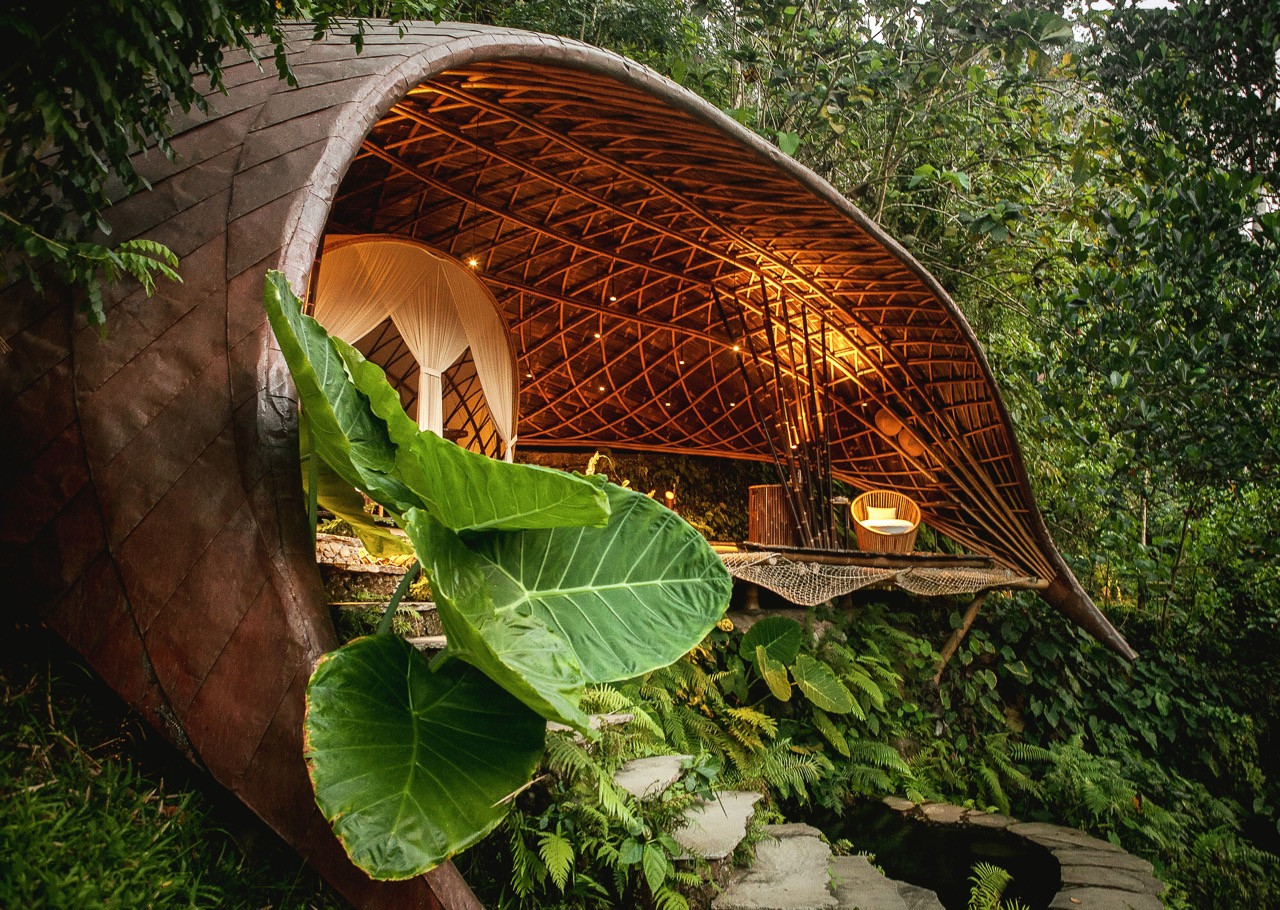
Bali’s hospitality architecture is the product of a century-long conversation between local tradition and external demand. What began with early 20th‑century steamship connections and a handful of colonial-era hotels has become a dense ecology of heritage restorations, branded resorts and boutique interventions that constantly negotiate authenticity, commerce and conservation.
From steamships and colonial lodges to the birth of a tourist aesthetic
The island’s transformation into a global resort economy can be traced to concrete transport and commercial milestones in the 1920s: improved steamship services and the inauguration of an early landmark hotel in 1928 opened Bali to regular international visitation. Those early encounters framed the island through an orientalist lens—Western hotels and guidebooks distilled and packaged Balinese ritual, ornament and spatial order for visitors. Over time, hotel architecture absorbed those curated images and amplified them, producing a recognisable “Balinese” vocabulary that mixed traditional compounds, carved stone, thatch and open courtyards with colonial materials and directional planning suited to leisure tourism.
Global brands, local craft and the tension of commodified identity
From the post‑war years to the boutique boom of the late 20th and early 21st centuries, two forces have shaped design: international capital and local craftsmanship. Global luxury groups and destination‑level projects reinterpreted Balinese motifs at scale—sometimes as pastiche, sometimes as carefully researched contextualism. Parallel to those branded efforts, home‑grown experiments and creative clusters have emerged, repurposing vernacular craft into contemporary guest experiences. The result is a layered architectural landscape in which heritage restorations, minimalist villas and theatrical resort compounds coexist, each offering a different proposition of what “authenticity” looks like on the island.
There is also a palpable political economy at play. Tourism accounts for a large share of Bali’s economy and its built environment. That dependency produces pressures—land use change, the conversion of traditional compounds into commercial plots, and the circulation of cultural forms as consumable design assets. Conversely, it has incentivised careful conservation in some quarters: adaptive reuse of early hotels and collaborations with local artisans have become selling points for projects that want to read as both luxurious and rooted.
Contemporary design practice on the island increasingly foregrounds sustainability and narrative: designers and operators are mindful that materials, craft sourcing and community relationships are part of a hotel’s proposition. At the same time, there is ongoing debate about who defines the island’s visual identity—the global market, national policy, local elites or practising artisans—and how that definition should be safeguarded or reimagined going forward.
Why this matters to operators and creatives
Bali’s story is instructive for anyone working in hospitality design. It demonstrates how a long‑running tourism economy produces both opportunity and risk: the capacity to scale local craft into a distinctive brand value, but also the danger of diluting cultural meaning through repetition and commodification. Operators who invest in genuine collaborations with local makers, respect conservation of early‑20th‑century assets and make transparent commitments to sustainable land use will be better placed to create resilient places that resonate with guests and communities alike. For creatives, Bali remains a live laboratory in which sensitivity to context—historical, material and social—translates directly into commercial and cultural longevity.