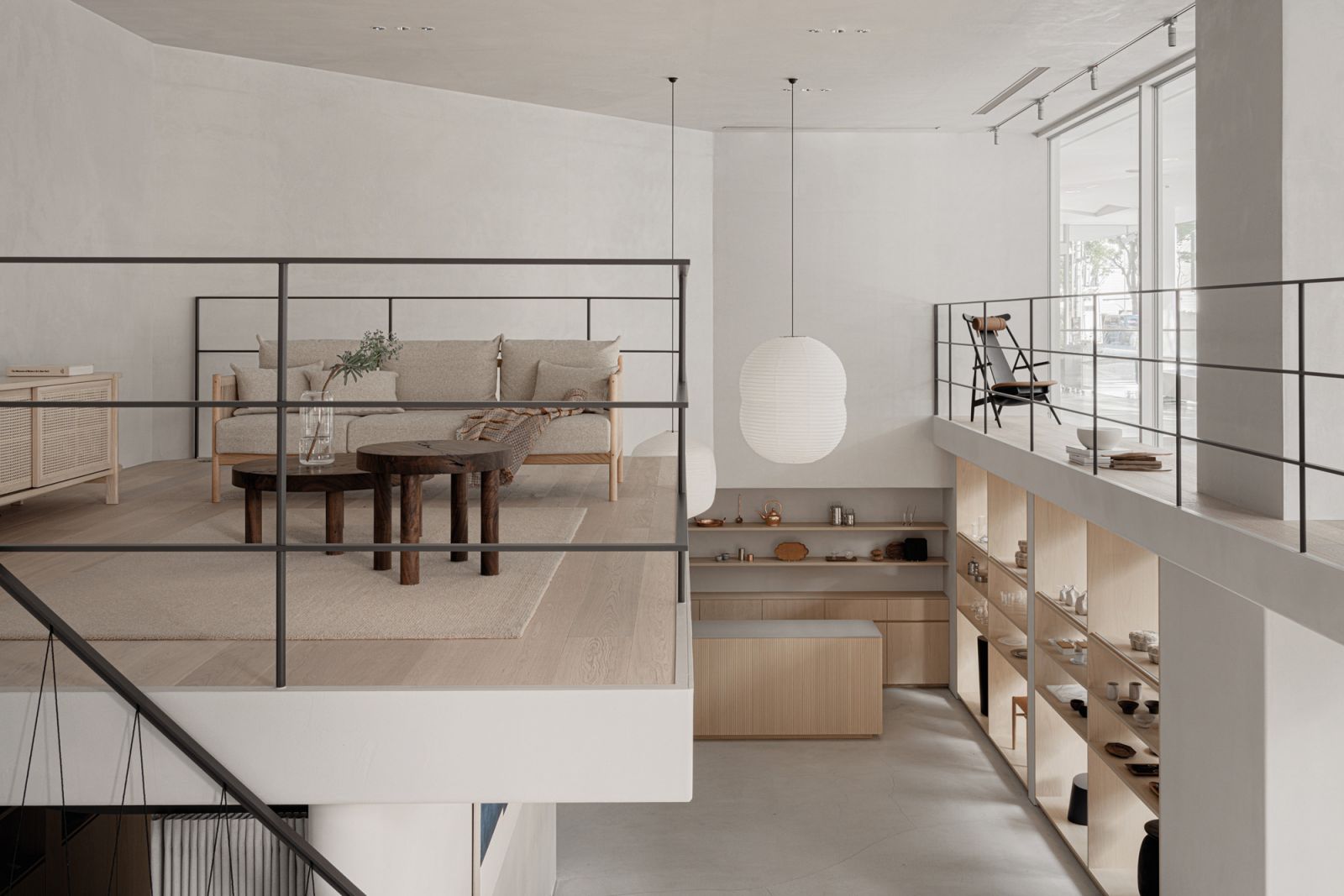
Keiji Ashizawa’s recent Tatler Asia interview underscores an approach to hospitality that privileges restraint, material truth and human comfort. His work — from Trunk Hotel Yoyogi Park to a string of Blue Bottle and Dotcom Coffee interiors — offers a lesson in how modest interventions and carefully resolved details can shape memorable guest experiences without spectacle.
Design as quiet choreography
Ashizawa’s projects repeatedly favour low-key composure over theatrical gestures. At Trunk Hotel Yoyogi Park he and collaborators allow the building’s brutalist frame and the neighbouring parkland to set the tone, while interiors are modelled as calm, tactile enclosures: timber floors, textured plaster, carved door grooves and subdued upholstery. This is not minimalism for its own sake but a practical orchestration of surfaces and light to reduce sensory noise. His emphasis on “noiseless spaces” — adjusted through soft artificial lighting and the deliberate absence of harsh spotlights — is a reminder that atmosphere in hospitality derives as much from restraint and consistency as from a singular signature moment.
Furniture, manufacture and the economies of craft
What distinguishes Ashizawa is the family of relationships running through his work: long-term collaborations with manufacturers such as Karimoku, partnerships with Norm Architects, and product lines like Karimoku Case that translate bespoke pieces into scalable inventory. These links allow him to control ergonomics and finish quality — the comfortable, well-crafted seating in his cafés is repeatedly flagged — while still achieving supply-chain efficiency. For operators, that dual capability matters: pieces designed to fit a particular plan but capable of being manufactured reliably reduce replacement costs and maintain a consistent brand ambience across sites and cities.
His trajectory — from small commissions to larger hotels and international briefs in Singapore and Abu Dhabi — also illustrates a practical growth model for studio practice. By embedding product design into the architectural workflow, Ashizawa’s office increases its intellectual property and creates new revenue streams. It also means design decisions about layout, lighting and furniture are resolved together rather than as afterthoughts, improving guest sightlines, circulation and seating variety in cafés and lobbies.
For hospitality operators and creatives this interview is more than a profile: it’s a blueprint for value-driven design. Ashizawa shows that considered materiality, a disciplined approach to light, and investment in reliable manufacture create spaces that feel authentic and age well — qualities that sustain guest loyalty and protect brand reputation. In an industry often tempted by rapid novelty, his work argues for longevity through honest craft and quietly orchestrated comfort.