Resy’s “New On Resy: Los Angeles’ Newest Restaurant Openings” functions less like a single story and more like a living index: an actively curated, frequently updated round‑up of L.A. launches and restaurants newly bookable on the platform. The feed serves both as a practical booking tool and as a lens on how taste, neighbourhood economics and operator strategy are shaping the city’s current dining calendar.
What the roll call reveals about culinary direction
Scan the list and patterns emerge. The recent entries mix small‑plates and neighbourhood bistros with higher‑end destination concepts, signalling that operators continue to hedge between accessible daily business and marquee experiences that drive press and reservations. Several openings on the list – from Korean American bistros to modern Spanish and seafood specialists – reflect two parallel trends: a sustained interest in regionally specific cuisines presented through contemporary, often Californian‑influenced plating; and a persistent appetite for elevated, experiential dining (omakase, tasting menus, theatre‑forward service) as a way to command higher price points and media attention.
Design, location and booking as strategic levers
Resy’s format privileges easy discovery, which in turn shapes how restaurants present themselves. Listings emphasise neighbourhood, cuisine tag and a simple price marker; operators increasingly design to those quick reads, leaning into strong visual identity, concise concept statements and clear service models that translate well in a single snapshot. The choice of neighbourhoods represented on the page suggests another tactical reality: while central hubs like West Hollywood and DTLA remain important, there’s visible energy in spots outside the old downtown circuits – Sawtelle, Silver Lake, and pockets of Venice – where rents and community loyalty can still favour emerging concepts.
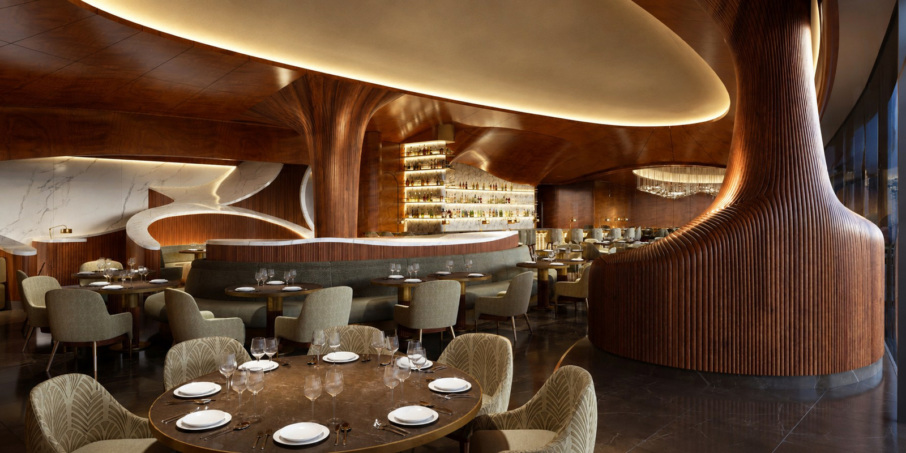
For designers and brand teams this matters. The discoverability flow from Resy means that a concept’s photography, succinct copy and amenable booking rhythm (release cadence for tables, ticketed dinners, or walk‑in allocations) can determine whether it reaches a useful audience window. Hospitality design is no longer only about the dining room; it’s about how the room reads across apps and social feeds, and how operational logistics are communicated in a single list entry.
Why this story matters to operators and creatives
Resy’s ongoing roundup is a reminder that launch strategy today sits at the intersection of product, place and platform. For operators, inclusion on a continually updated, city‑specific page is a practical marketing asset that can accelerate early bookings; for brand and interior teams, the platform underscores the importance of creating assets that are legible at a glance and compelling enough to convert a scroll into a reservation. In a dense market like Los Angeles, visibility on listing platforms and clarity in presentation are often as decisive as the food itself.