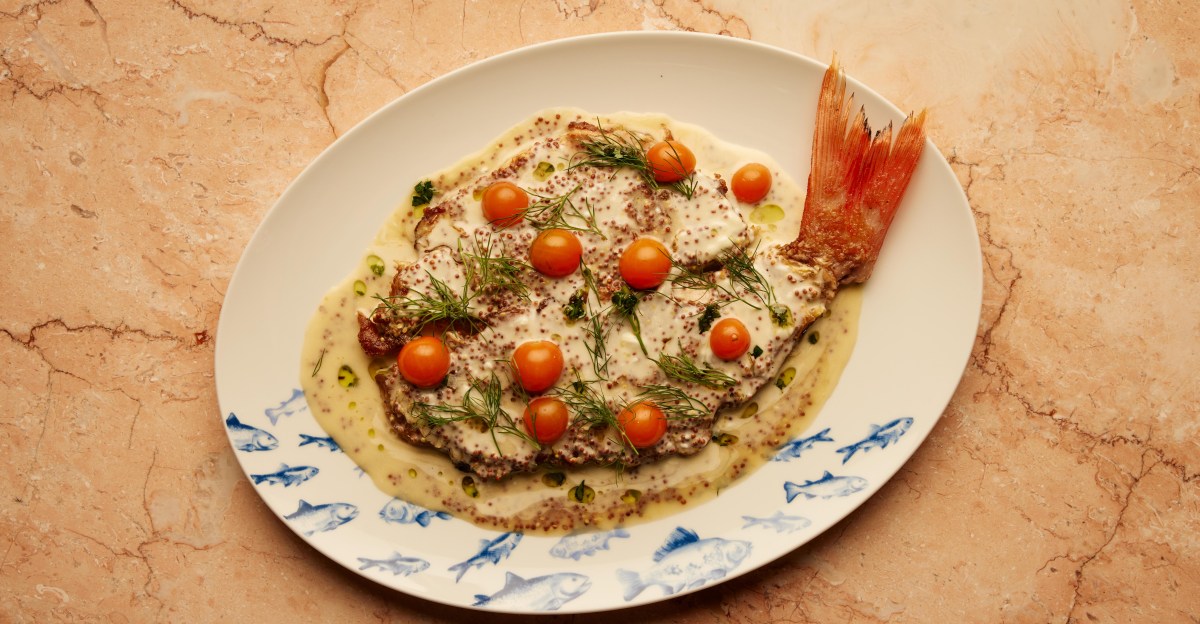
Eater Los Angeles has compiled “The Most Anticipated Los Angeles Restaurant Openings, Fall 2026,” a seasonal roundup that highlights the city’s incoming concepts and the teams behind them. The list collates openings across neighbourhoods and formats—from hotel‑linked dining rooms to intimate neighbourhood bars—offering a snapshot of where investment, cuisine and design energy are concentrating this autumn.
Clustered launches, diversified concepts
What the roundup makes clear is that Los Angeles’s fall slate is clustered but varied: established operators are expanding with second sites and hospitality groups are pairing dining concepts with hotel projects, while independent chefs continue to pilot ambitious neighbourhood ventures. This mix reduces headline risk for investors (brands with proven followings soften the blow of uncertain footfall) yet keeps the market lively for diners seeking novelty. The practical outcome is a denser calendar of openings that will compete for the same pool of media attention, reservations and experienced front‑ and back‑of‑house staff.
Design as a recruitment and retention tool
Several of the featured projects sit in repositioned or hotel‑adjacent spaces, which places a premium on adaptable, hospitality‑forward design. Operators are investing in interiors that serve multiple dayparts and behaviours—breakfast and coffee trade, all‑day casual dining, then dinner and late‑night service—so interiors must balance durability with distinctiveness. Thoughtful circulation, back‑of‑house efficiencies and flexible service stations will determine whether a venue functions as styled imagery for launches or sustains operational viability when the novelty fades. For designers and brands, the brief increasingly reads as: create Instagram‑worthy moments without compromising turnover, staff ergonomics or acoustics.
Another recurring thread in the Eater collection is culinary hybridity: parties are launching concepts that blend regional cooking with Californian sourcing, or pair raw bar formats next to established bistros. These crossovers demand menus and service models that can scale: operators will need kitchen schematics built for rhythm rather than theatrics, and front‑of‑house training that communicates a hybrid menu to curious diners quickly and consistently.
Finally, neighbourhood fit remains decisive. Even headline projects require local goodwill—reservations systems, soft openings and community outreach will separate smooth launches from those that plateau. Where a concept leans into local produce, market partnerships or discreet price points, it’s more likely to anchor itself in the community beyond the opening press cycle.
Why this matters for hospitality operators and creatives: seasonal lists like Eater’s are more than calendar fodder—they expose the marketplace’s direction. For operators, the fall roster signals what competitors are testing in service models, price points and partnerships with hotels or landlords. For designers and brand strategists, it emphasises the need to reconcile visual identity with operational resilience: compelling environments still must be inexpensive to run, simple for staff to manage and flexible enough to pivot through changing demand curves. Planning with those constraints in mind increases the chance that an anticipated opening becomes a lasting success rather than a momentary headline.