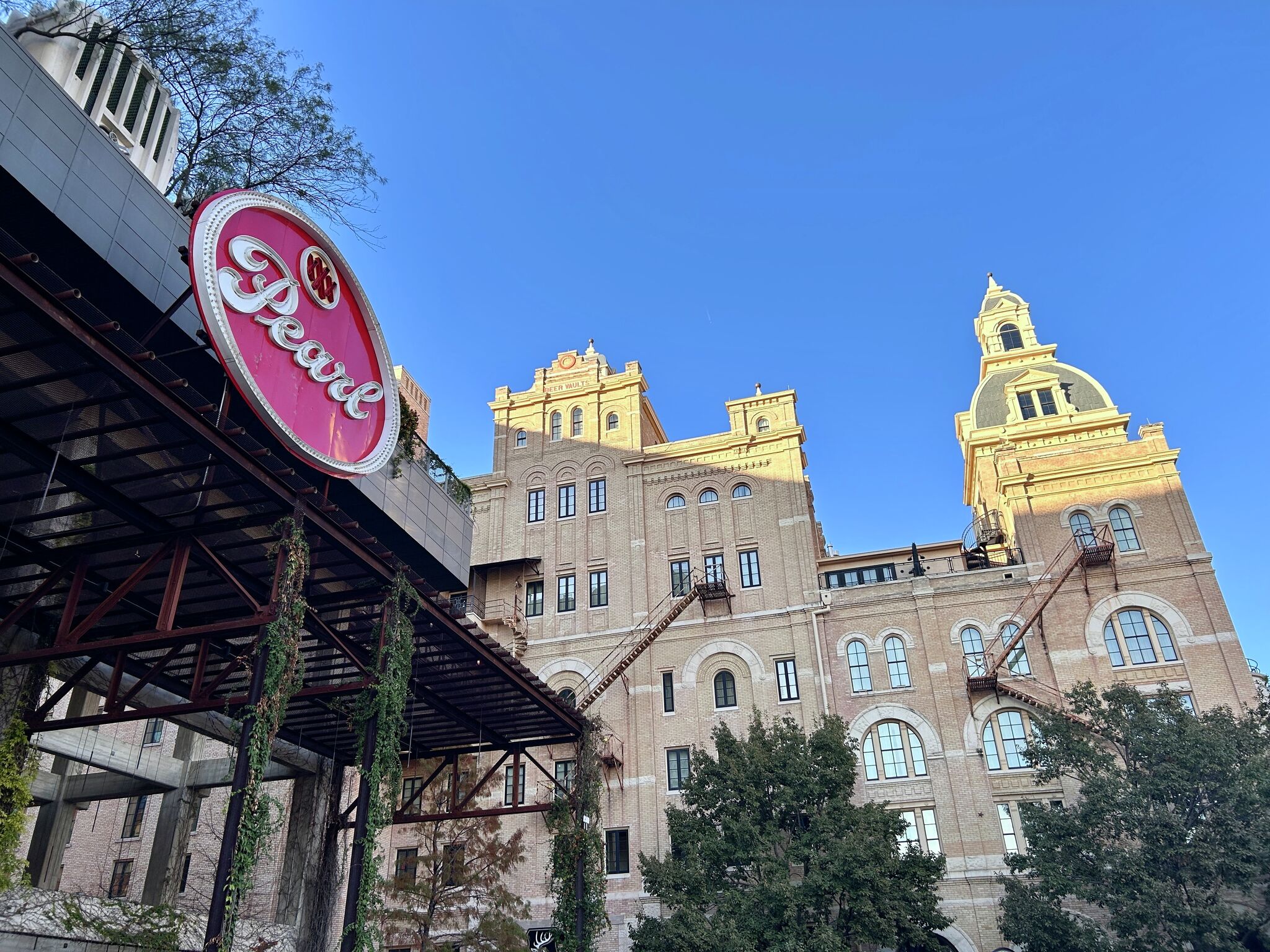
Pearl’s dining quarter in San Antonio is in the midst of a visible refresh: a mix of chef-driven pop-ups, new standalone restaurants and market-driven concepts are filling vacancies and reshaping the district’s culinary offer. The changes point to a strategic rebalancing of Pearl from a primarily tourist-oriented attraction toward a neighbourhood hub that foregrounds local provenance, experimental formats and design-led dining rooms.
From vacancy to experimentation: what’s replacing whom
Over the last year the Pearl has absorbed a wave of turnover, with several long‑running operations closing or relocating and a new cohort stepping into the spotlight. The Bottling Department food hall continues to act as an incubator — hosting pop-ups such as an acclaimed local chef’s revived concept — while the Pullman Market and several bespoke restaurants have opened to anchor everyday footfall. New entrances include Latin seafood and modern Mexican concepts from operators with strong local track records, alongside projects that emphasise seasonal, market-driven menus. Rather than wholesale reinvention, the pattern is incremental: smaller units and modular formats are allowing operators to test concepts before committing to larger, fixed-floor restaurants.
Design cues and spatial strategy shaping the refresh
Design choices across the incoming projects show a clear appetite for material authenticity and regional craft. Several venues reference Oaxacan textiles, rustic tableware and hand-made lighting as a way of signalling provenance and atmosphere; others invest in adaptable indoor–outdoor arrangements to take advantage of Pearl’s courtyards and promenades. These aesthetic moves serve practical ends — resilient, repairable finishes and modular furnishings reduce capex and help spaces convert between breakfast markets, casual daytime trading and higher-margin evening covers. More subtly, the choreography of terraces, walkways and visible kitchens is being used to re-establish Pearl as a social place rather than merely a collection of destination restaurants.
Operators and landlords also appear to be aligning on a mixed tenancy model: a blend of reservation-only, chef‑led restaurants and more casual daily anchors such as markets and cafés. That mix mitigates revenue volatility and extends the district’s draw throughout the week. It also creates opportunities for cross-pollination — market suppliers providing ingredients to fine-dining menus, for example — which strengthens local supply chains and keeps more economic value within the neighbourhood.
Why this matters to hospitality operators and creatives
The Pearl’s refresh offers a useful case study for hospitality teams planning urban interventions. First, flexibility is commercially powerful: smaller footprints, pop-ups and market concepts allow rapid iteration with lower risk. Second, design that visibly references place — local craft, durable materials, outdoor integration — supports authenticity, which remains a key differentiator for discerning diners. Finally, landlords and operators who collaborate on a tenant mix that balances destination draws with everyday amenities can sustain higher footfall and resilience against the cyclical pressures facing dining districts. For creatives and operators alike, Pearl shows how a layered, design-forward approach can reanimate a heritage site into a living, economically resilient dining ecosystem.