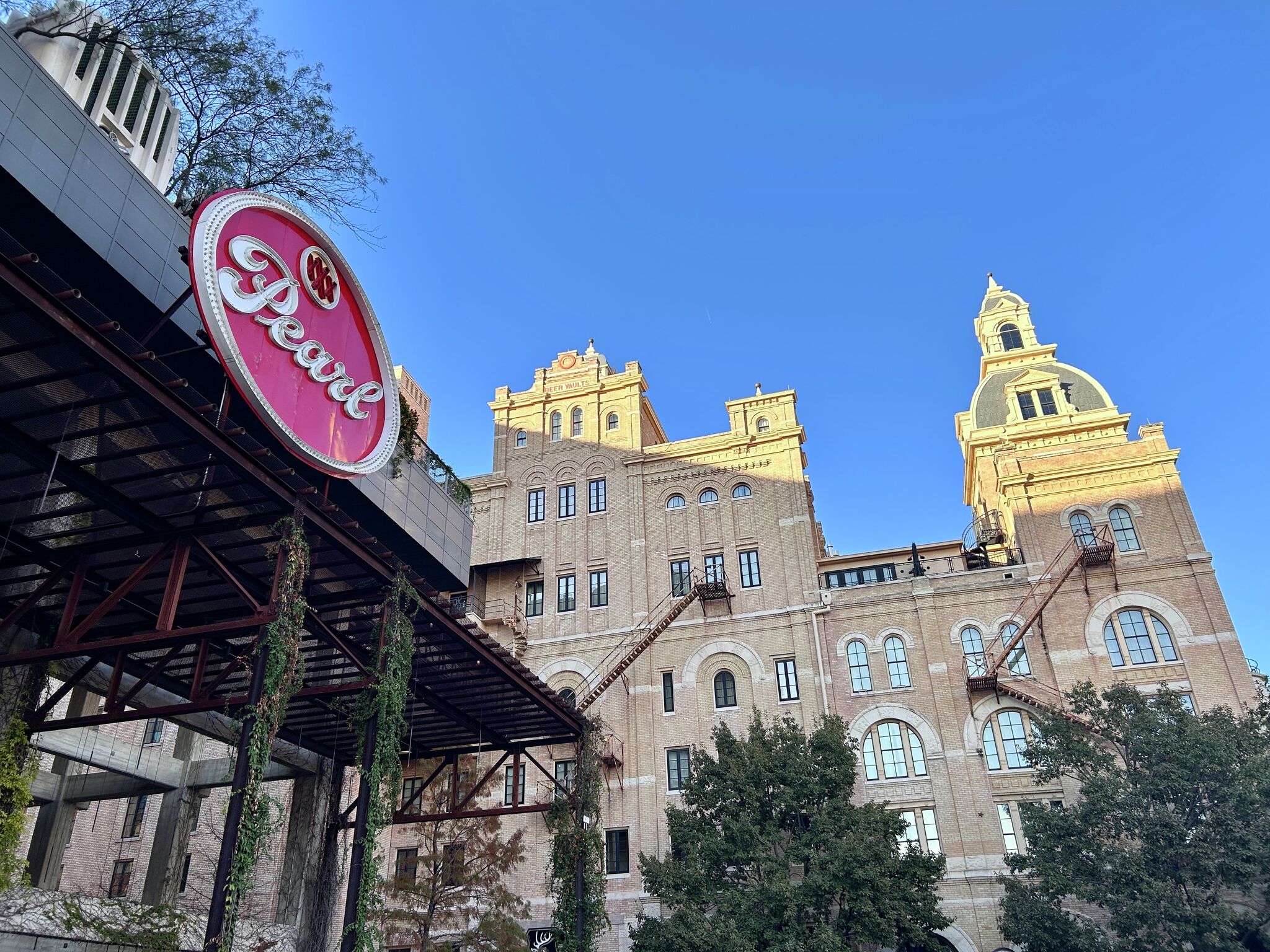
San Antonio’s Pearl district is undergoing a notable refresh: a wave of new and incoming restaurants is moving into vacated spaces, bringing coastal Mexican, Northern Mexican, Japanese hand rolls, Italian steaks and other concepts. The MySA report lists openings and projected dates through late 2026 and into spring 2027 that together signal a strategic reshaping of Pearl’s culinary offer.
Pearl’s newest arrivals are concentrated in a handful of high‑profile sites. Amar ((a)mar.), a coastal Mexican concept with mezcal and curated wines, began limited service ahead of a grand opening on 28 September 2026 and has taken over the former Allora site in the Credit Human building. Santonia Cantina — from the team behind Naco Mexican — is targeting a late November 2026 launch in the former Full Goods Diner space, focusing on Northern Mexican and South Texas flavours and cocktails featuring sotol, mezcal and tequila. Houston’s Bludorn Hospitality Group is refurbishing the Liberty Saloon/Carriqui footprint, with renovations projected to finish by 30 November 2026; a public opening date has not yet been announced.
Replacing long‑running neighbours: opportunity and risk
Pearl’s turnover reflects a common pattern for revitalised waterfront and mixed‑use districts: anchors such as Hotel Emma remain, while smaller sit‑down tenants come and go. Rosso, a new Italian pasta‑and‑steak collaboration involving chef Rico Torres, is proposed for the prominent site vacated by Cured and aims to open by the end of 2026 — a bold move into a space with an established reputation. Filling a legendary or long‑loved restaurant’s slot is an opportunity to capture built‑in footfall, but it also raises expectations about quality, price point and atmosphere. Operators taking these suites will need to balance innovation with respect for local memory if they are to win lasting patronage.
Diversifying the district’s culinary vocabulary
The incoming roster is stylistically diverse: hand rolls and izakaya from Nori Handroll Bar are slated for Coopers Row in spring 2027, while LoverBoy House Eats — an offshoot of Box St. All Day — plans a more casual coffee, cocktails and approachable food offer for autumn 2026. That mix broadens Pearl’s appeal across dayparts and demographics, from brunch and informal coffee trade to evening cocktail and omakase experiences. It also suggests a hedged strategy by landlords and restaurateurs: spread concepts across price points and cuisines to reduce dependence on any single traffic generator.
For hospitality operators and creatives, Pearl’s latest wave matters because it shows how curated tenancy can reframe a neighbourhood’s identity quickly. Designers, brand teams and culinary directors working on these openings must account for legacy expectations while delivering distinct, placemaking experiences — from façade interventions in heritage buildings to menu storytelling that sits comfortably alongside existing anchors. In practical terms, success will hinge on operational readiness for varied service models, smart use of outdoor and communal spaces, and marketing that both invites new customers and reassures former patrons that Pearl’s dining scene remains a destination worth returning to.