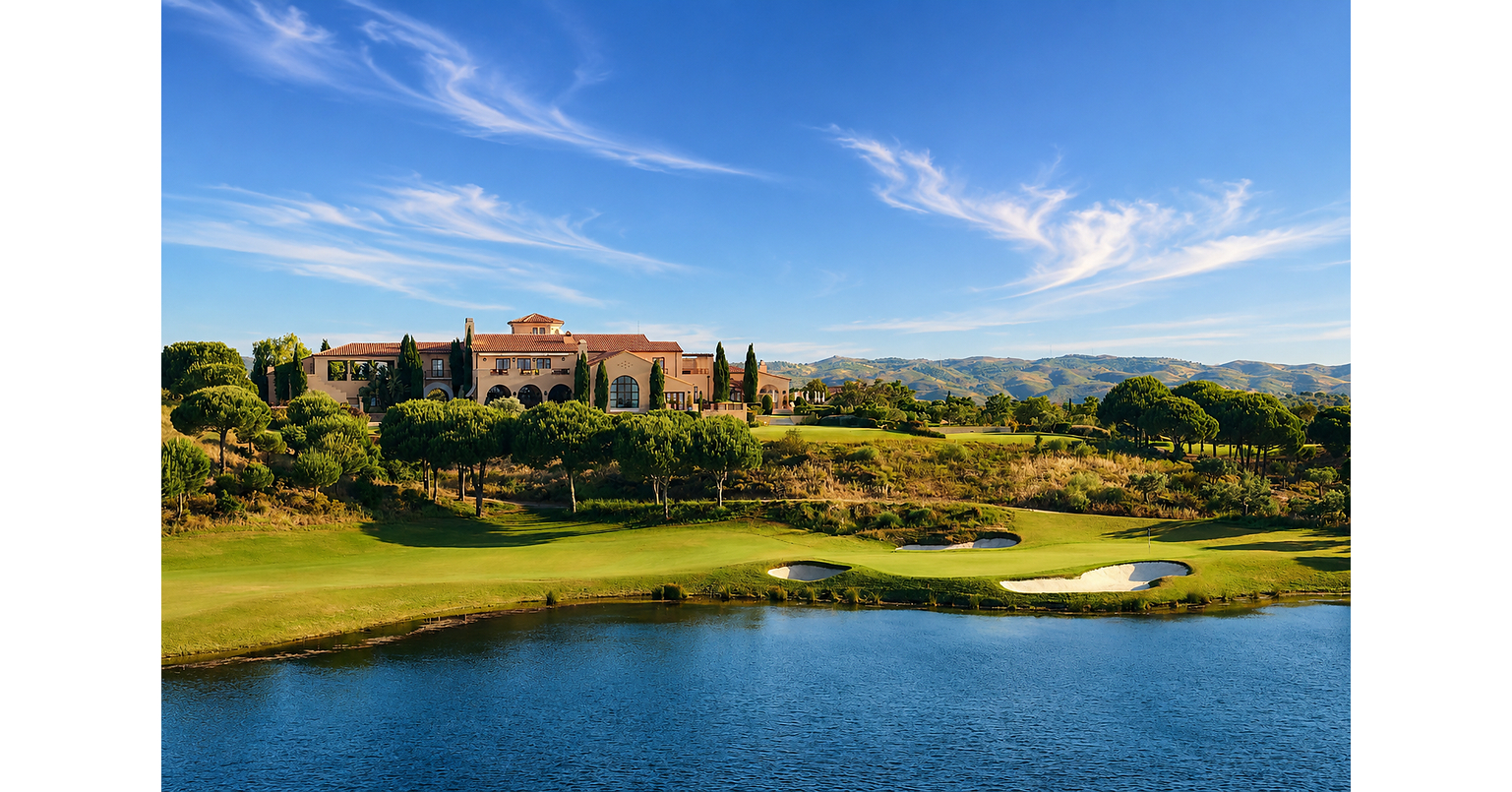
Nobu is expanding into Portugal’s eastern Algarve with a new hotel, restaurant, villas and branded residences at the Monte Rei resort. The announcement, first carried in industry and consumer outlets in late July 2026, confirms a multi‑component development that pairs Nobu Hospitality’s lifestyle offering with an established luxury-golf destination.
Brand fit: Nobu’s lifestyle identity meets Monte Rei’s trophy resort
Nobu’s decision to anchor a mixed hospitality and real‑estate project at Monte Rei is a logical extension of its global strategy. The brand has consistently packaged a signature restaurant, hotel and branded residences as a single lifestyle product that trades on culinary prestige, design minimalism and celebrity provenance. Monte Rei, known for its Jack Nicklaus–designed golf course and relatively remote eastern‑Algarve setting, offers the kind of privacy, land availability and high‑net‑worth catchment that appeals to buyers seeking second homes and golfers looking for an upscale European outpost. For Nobu, the partnership converts existing resort infrastructure and an elite leisure market into demand for both short‑stay and ownership experiences.
Design and operational implications of a hybrid programme
Layering a Nobu hotel, signature restaurant, villas and a substantial branded‑residences envelope within a single resort footprint presents specific design and operational challenges. Physically, the project must reconcile the intimate, gastronomic focus of Nobu restaurants with the logistical needs of a hotel and the privacy expectations of permanent residents. Architects and interior teams will need to delineate clear thresholds between public hospitality spaces and private residential zones while maintaining a consistent brand language. Operationally, shared amenities — spas, pools, housekeeping, security and F&B reservations — will require carefully defined service levels and governance to prevent friction between transient guests and owners. Successful precedents in other markets show the importance of separate but adjacent service flows, bespoke resident programmes and transparent service charges to preserve brand equity for both hotel and residences.
From a market perspective, the timing taps continuing investor appetite for branded luxury homes in Europe, and the Algarve continues to absorb international leisure capital. However, macro risks remain: rising development costs, planning controls in Portugal, and the need for robust year‑round demand beyond the seasonal summer high will influence return dynamics for both the operator and local partners. The partnership structure — a licensed brand operation combined with local development expertise — will determine how much control Nobu retains over design quality and operational standards.
Why this matters to hospitality operators and creatives: Nobu’s move illustrates how lifestyle brands are monetising culinary and cultural capital through vertically integrated products that blend hotel operations with real‑estate sales. For operators, it’s a reminder that brand extensions require rigorous service design and contractual clarity. For designers and brand teams, the project underlines the necessity of crafting spaces that can flex between theatrical, social dining experiences and the quieter, long‑term comforts expected by residents — all while preserving a coherent brand story that justifies a premium.