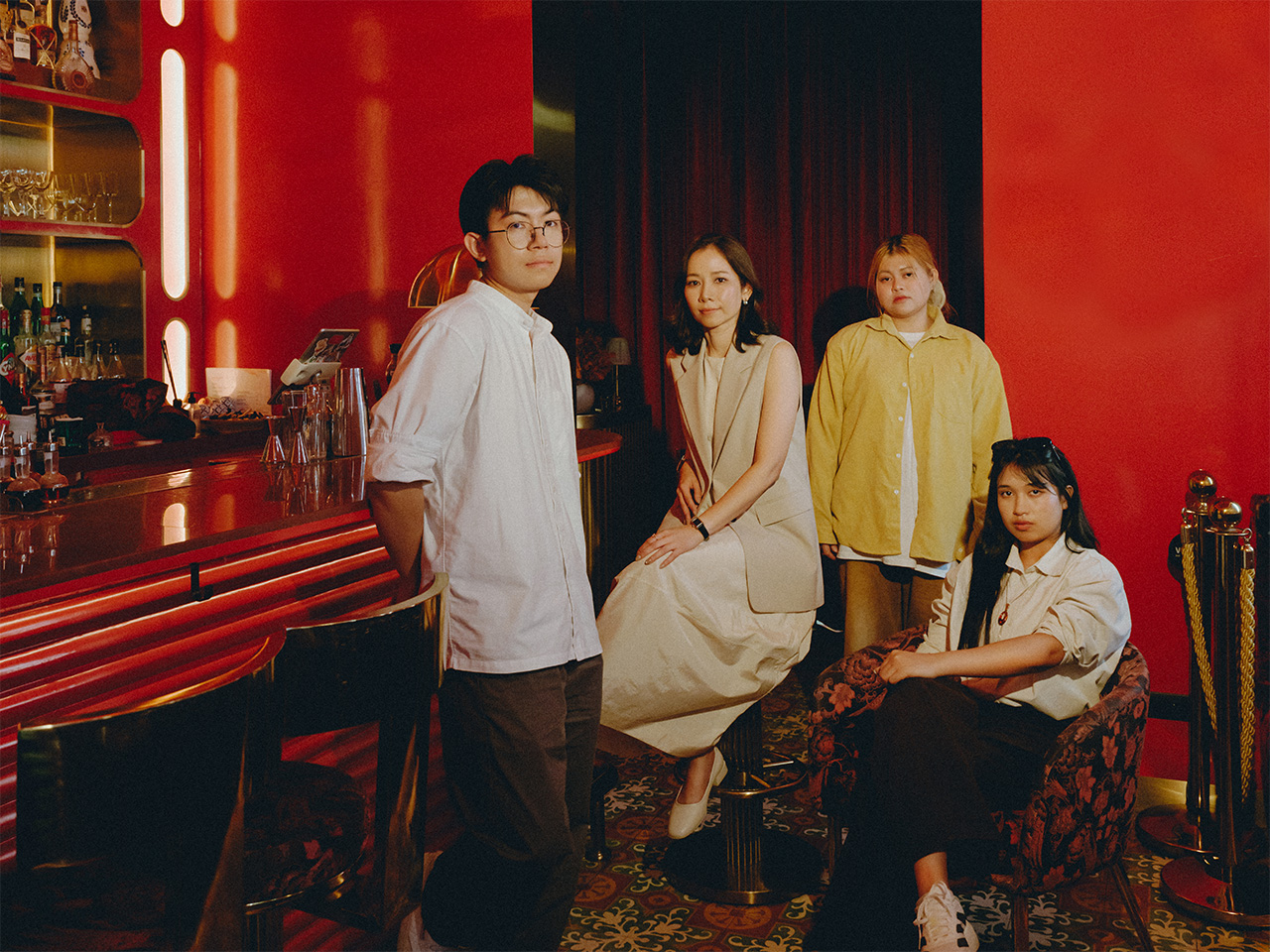
Monocle’s recent piece profiles three specialist consultancies that plug the gaps between concept and service: Imschweilers (brand and operations), Service Works (uniforms) and Lundi (lighting). Each offers a narrow but practical expertise that operators increasingly hire to make sure a restaurant’s personality, practicality and presentation land as intended on service day and beyond.
Shaping identity through operations and locality
Imschweilers, led by Martin Imschweiler with creative direction from Verena Glup, foregrounds the idea that a convincing restaurant begins with place. Their method is forensic rather than fashionable: start from existing architecture, history and neighbourhood, then translate those elements into menu, interiors and service rituals. The studio’s work at Parkhotel Mondschein in Bolzano — where local culinary traditions were used as the conceptual blueprint — and recent modular and brand projects demonstrate a recurring theme: identity is strongest when it emerges from the site rather than being applied as an afterthought. For operators this means investing time early in research and in operational training so that aesthetics and service cohere on repeat visits.
Uniforms and lighting as functional brand signals
Tom Chudley’s Service Works reframes uniforms as engineered tools for hospitality teams rather than purely stylistic statements. Launched in 2020, Service Works builds garments from durable, breathable materials and reinterprets conventional pieces — checkered chef trousers to mask stains; seersucker-inspired jackets for front of house — so they survive heavy use while reinforcing a calm, readymade aesthetic. High-profile London adopters underline a commercial point: well-specified kit reduces replacement cycles and subtly elevates guest perception. Meanwhile, Bangkok-based Lundi, led by Kunlatida Suwintrakorn, makes the technical case for considered lighting. Lundi’s brief is granular — control systems that automate transitions, adjustable track fittings to suit evolving floor plans and a high CRI on food surfaces — all changes that directly influence how dishes and rooms read in photographs and in person.
Taken together these specialists show that small, technical decisions cascade into the guest experience. Uniforms affect staff confidence and visual clarity; lighting governs taste perception and atmosphere; and a concept grounded in place makes marketing and operations work less hard to convince a customer. Each consultancy sells a slice of expertise that many full-service designers often leave implicit.
Why this matters: for operators and creatives the lesson is practical and immediate. Investing in targeted specialists — a concept and operations consultant, a tested uniform partner and a lighting designer — reduces costly reworks at launch and over time preserves the brand promise. Thoughtful specification pays twice: it improves day-to-day service and safeguards the visual and emotional cues that keep guests returning.