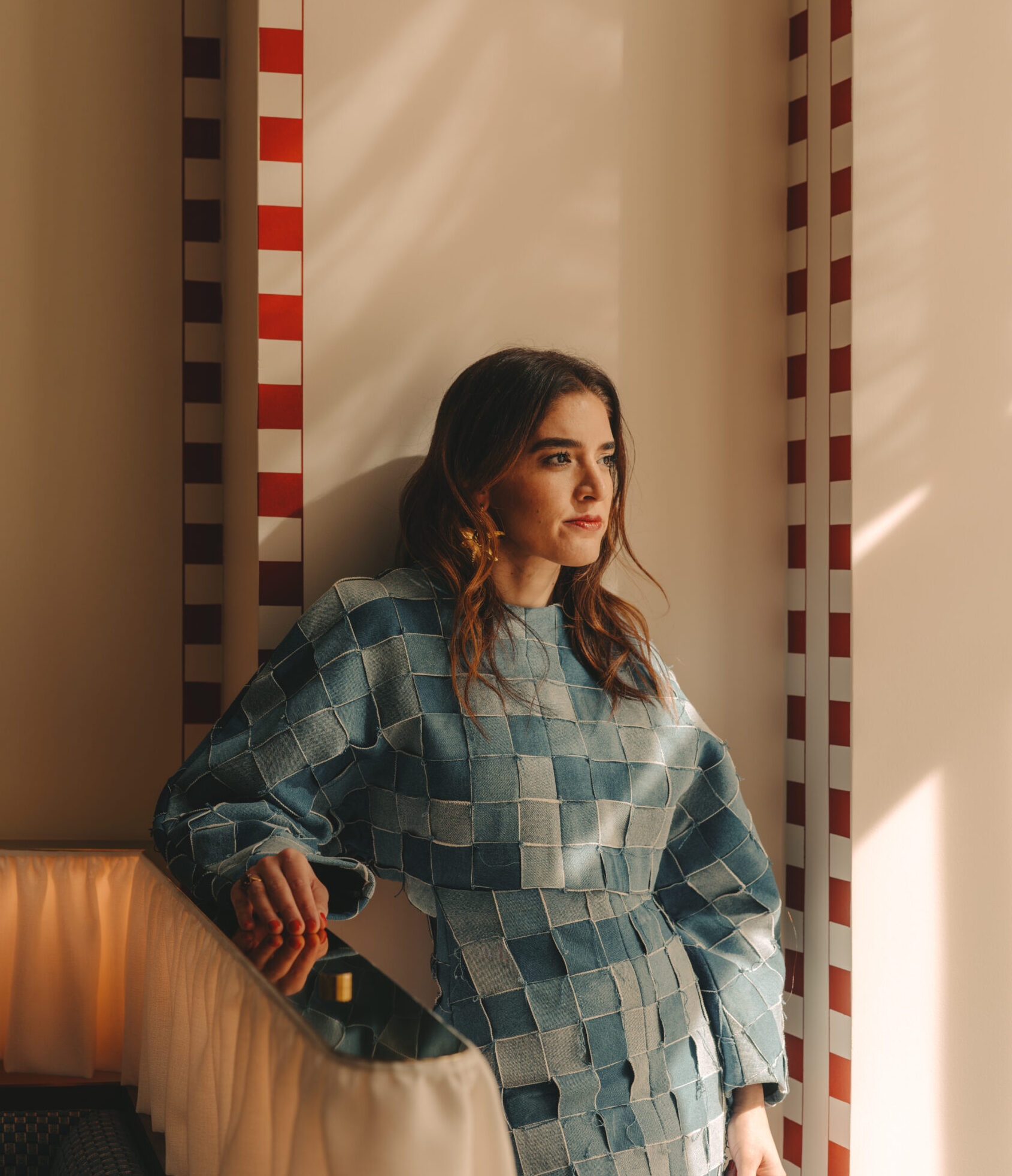
Six years after leaving Martin Brudnizki Design Studio, Stephanie Barba Mendoza has established a small but internationally active hospitality practice that balances exuberant colour with quiet, textural restraint. In an interview for SPACE | International Hotel Design she walks through the turning points — from leading high-profile projects at MBDS to founding her own studio at the start of the pandemic — and explains how cultural cross‑pollination informs the studio’s growing portfolio.
From MBDS apprenticeship to independent practice
Barba Mendoza’s trajectory as described in the interview is instructive: a rapid rise through Martin Brudnizki Design Studio, culminating in a leading role on the celebrated Annabel’s project, gave her both the confidence and the craft to set out alone. She launched her studio in 2020 and deliberately kept operations lean at first, working through every stage of projects herself to define how the company should function. That hands‑on foundation appears to have paid off — within weeks she secured two high‑end residential commissions and, over six years, expanded into hospitality briefs and multi‑site brand partnerships.
Aesthetic language: layered narratives, worldly references
The interview highlights Barba Mendoza’s consistent use of colour, texture and historical reference as tools for storytelling. Her Mexico‑born sensibility sits comfortably alongside two decades living and working in the UK, creating a hybrid language that privileges contrast — vivid colour and pattern counterbalanced by calm, tactile surfaces. Projects for the Wilde aparthotel group (Lisbon, Vienna and further European openings) demonstrate how a single brand brief can be translated into distinct local narratives: Lisbon’s scheme, for example, is informed by the sea through flowing joinery, ombré wallpapers and a mosaic‑inspired floor, whereas Vienna drew her into Secessionist references such as the Wiener Werkstätte and Josef Hoffmann.
Equally notable is how small teams can deliver multi‑continent work: the studio now operates across three continents and has seven people. The interview also flags a willingness to experiment beyond conventional hotel typologies — from a private members’ club commission in Vietnam to a culture and music club in Mexico City, designed collaboratively with her brother — suggesting the studio is positioning itself where hospitality, culture and programming intersect.
Barba Mendoza’s path underlines two pragmatic lessons for designers: first, the value of formative mentorship and high‑profile studio experience as a springboard to independent practice; second, the advantage of building a recognisable, adaptable design language that can be tailored across brands and geographies without losing identity.
Why this matters: For hospitality operators and creatives, the interview is a compact case study in scaling a boutique design studio sustainably while maintaining a coherent voice. It demonstrates how cultural authenticity, carefully chosen collaborations and a discipline for translating brand keywords into site‑specific narratives can help a small practice win repeat commissions and international briefs — a useful blueprint for operators seeking distinctiveness and for designers aiming to grow without diluting their craft.